

Children often catch illnesses such as colds, ear infections, and stomach bugs as their immune system develops. While many of these illnesses are mild, some symptoms may require medical attention. Understanding common childhood illnesses can help parents know when to manage symptoms at home and when to seek help from a GP.
This article covers the most common illnesses seen in children, warning signs to watch for, and how your GP at Paterson Healthcare can support your child’s health.
Why Children Get Sick More Often Than Adults
Children’s immune systems are still learning how to fight infections. This is a normal part of development. Being in daycare, preschool, or school also means children are in close contact with other kids every day.
Seasonal changes, viral outbreaks, and shared spaces all contribute to frequent illness in young children. Most illnesses are temporary and manageable with the right care and guidance.
Most Common Childhood Illnesses Parents Should Know
Several illnesses frequently affect children and are regularly seen in general practice. Knowing what to look for can help you respond with confidence.
Common Cold
The common cold is among the most common illnesses in young children. Symptoms typically include:
- Runny or blocked nose
- Mild cough
- Sore throat
- Low-grade fever
- Tiredness
Most colds improve within 7 to 10 days. Rest, fluids, and age-appropriate pain relief are usually enough to help your child recover.
How a GP Can Help
A GP can examine your child’s throat, ears, and chest to rule out more serious infections. Your doctor can also advise on safe symptom relief options suited to your child’s age.
Ear Infections
Ear infections are common in children under five. Signs to watch for include:
- Ear pain or tugging at the ear
- Difficulty sleeping
- Fever
- Irritability or crying more than usual
- Reduced hearing
How a GP Can Help
Your GP can examine the ear canal and eardrum using a small instrument. Depending on the type and cause of the infection, your doctor may recommend pain relief or, where appropriate, antibiotics.
Gastroenteritis (Stomach Bug)
Gastroenteritis spreads quickly through schools and childcare centres. Common symptoms include:
- Vomiting
- Diarrhoea
- Stomach cramps
- Nausea
- Low-grade fever
Dehydration is the primary risk, especially for young children and infants. Watch for reduced wet nappies, dry mouth, or unusual drowsiness.
How a GP Can Help
A GP can assess your child’s hydration and advise on fluid replacement. Your doctor can also tell you when home care is appropriate and when further assessment may be needed.
Flu (Influenza)
Influenza is more intense than a common cold. Symptoms often come on quickly and may include:
- High fever
- Body aches
- Fatigue
- Dry cough
- Headache
How a GP Can Help
Your GP can confirm the diagnosis and advise on appropriate treatment and rest. Annual flu vaccination is available for children and is one of the most practical ways to reduce the risk of severe illness.
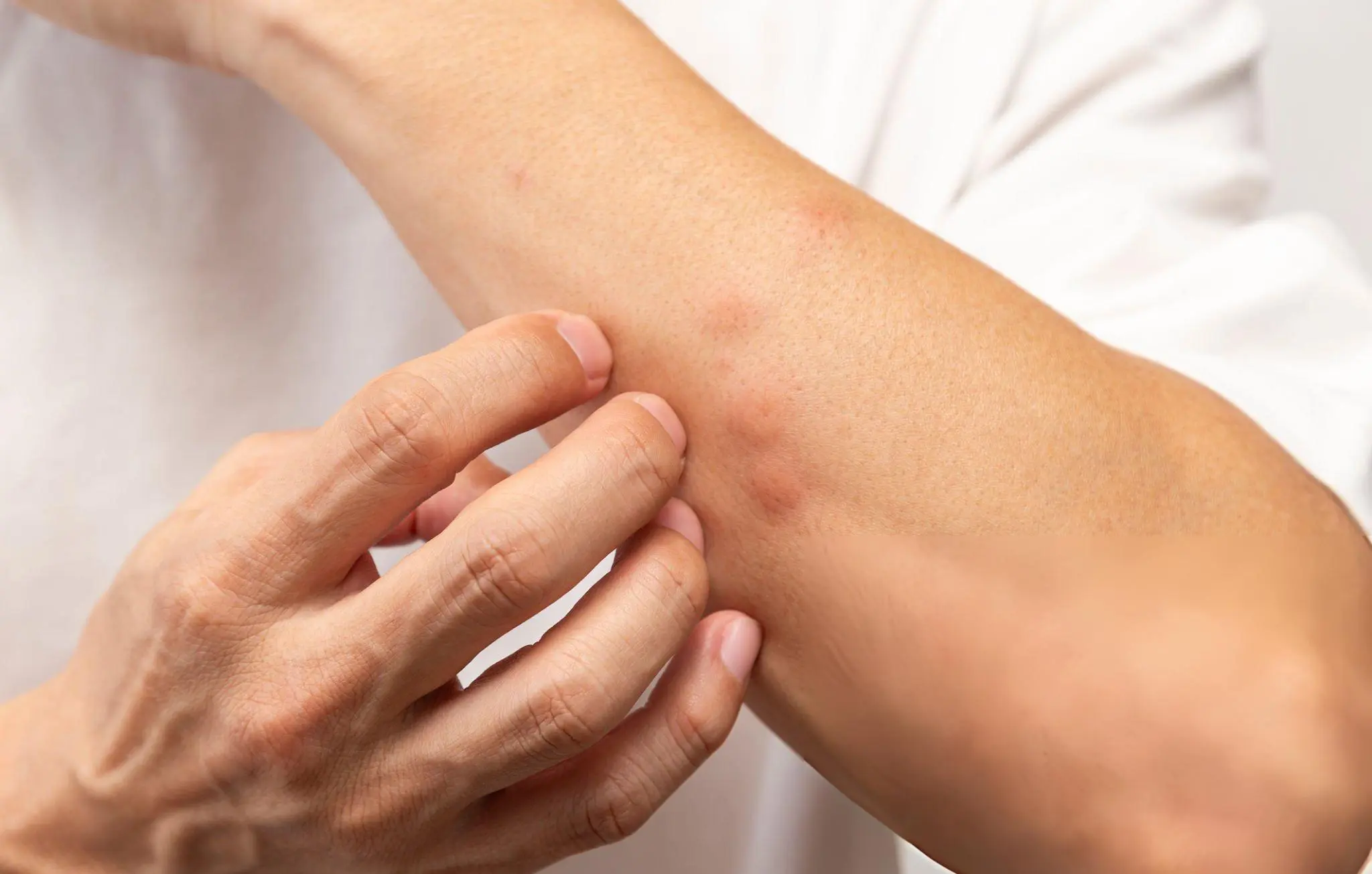
Skin Infections and Rashes
Skin conditions are common in children and include:
- Impetigo (school sores)
- Eczema flare-ups
- Allergic rashes
- Viral rashes from infections like hand, foot and mouth disease
How a GP Can Help
A GP can identify the type of skin condition and recommend the most appropriate treatment. This may include creams, antibiotic ointments, or advice on managing triggers at home.
Warning Signs Parents Should Not Ignore
Seeing your child unwell can be stressful. Most childhood illnesses are mild, but some symptoms need prompt medical attention. Contact a GP or seek urgent care if your child shows any of the following:
- High fever that does not improve or keeps returning
- Difficulty breathing or fast breathing
- Signs of dehydration, such as dry mouth, no tears, or very few wet nappies
- Persistent vomiting with no improvement
- Unusual or spreading rash
- Extreme tiredness or difficulty waking
- Neck stiffness or sensitivity to light
If you are ever unsure, it is always worth having your child assessed. A GP can determine whether further investigation or treatment is needed.
When Should You Take Your Child to a GP?
Parents should seek medical advice when:
- Symptoms are getting worse rather than better
- Illness has lasted more than a few days
- Your child refuses fluids or is not drinking
- Fever continues despite appropriate care
- You feel concerned or unsure about your child’s condition
Early assessment helps identify any underlying cause. It can also prevent complications and give parents clear guidance onthe next steps.
How GPs Diagnose Childhood Illnesses
Your GP will ask about your child’s symptoms, medical history, and how long they have been unwell. A physical examination is then carried out. This may include checking the throat, ears, chest, and abdomen.
If needed, your GP may request pathology tests or refer your child to a specialist. Treatment recommendations are based on individual clinical assessment, as each child’s situation is different.
Treatment Options for Common Childhood Illnesses
Treatment depends on the cause of illness and your child’s individual needs. Common approaches may include:
- Rest and increased fluid intake
- Age-appropriate medications to manage fever or pain
- Antibiotic treatment when a bacterial infection is confirmed
- Monitoring symptoms at home with clear guidance from your GP
- Follow-up consultations if symptoms do not improve
Your GP will discuss the most suitable options after examining your child. No two children are the same, and treatment is always guided by a proper clinical assessment.
How Parents Can Help Prevent Common Childhood Illnesses
Several practical steps can help reduce the frequency of illness in children:
- Regular hand washing before meals and after using the toilet
- Keeping vaccinations up to date according to the National Immunisation Program
- Ensuring adequate sleep and a balanced diet
- Avoiding close contact with sick children where possible
- Teaching children to cover their mouths and noses when coughing or sneezing
Your GP can provide personalised advice on preventive healthcare for your child, including vaccination schedules and routine health checks.
How Paterson Healthcare Supports Children’s Health
At Paterson Healthcare, our GPs are experienced in diagnosing and managing common childhood illnesses. We provide child-friendly consultations in a calm and supportive environment.
Our services include assessment of acute illness, chronic condition management, routine immunisations, and preventive health advice for children at every stage of development.
We understand that parents want clear answers when their child is unwell. Our team is here to help you make informed decisions about your child’s care.
Is your child unwell, or are you unsure about their symptoms? Book an appointment online or call Paterson Healthcare today for prompt, professional care.
Conclusion
Childhood illnesses are a normal part of growing up. Most are mild and resolve with proper rest and home care. However, some symptoms require prompt medical assessment.
Knowing the warning signs and understanding when to see a GP can make a real difference to your child’s recovery. Your GP can examine your child, identify the cause of the illness, and recommend the most suitable treatment.
If you are concerned about your child’s health, do not wait. Contact Paterson Healthcare to arrange a consultation with one of our experienced GPs.
Book online or call our clinic today. We are here to help.