


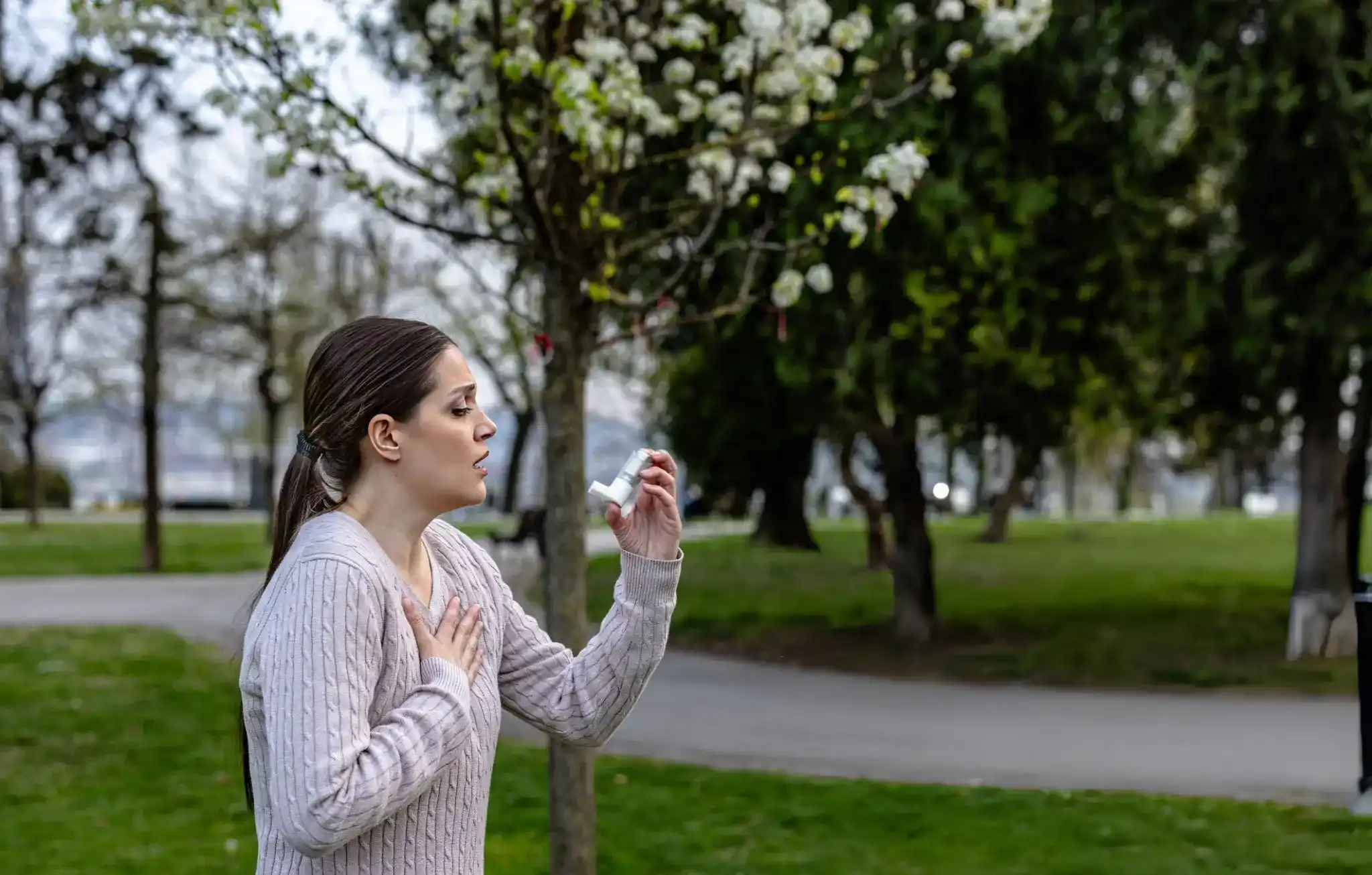
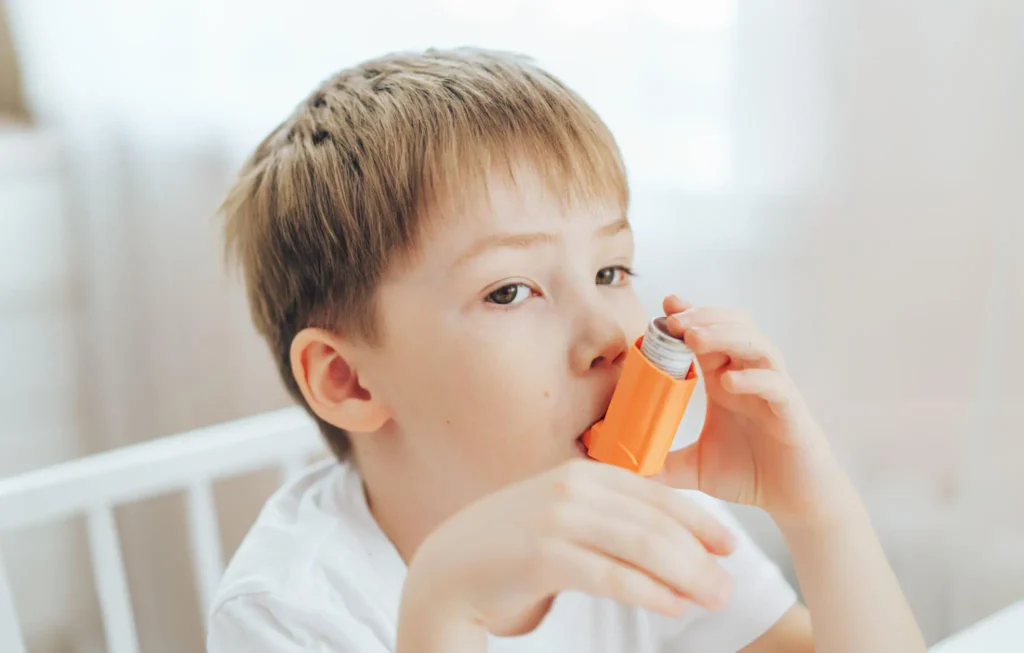
If your child has a recurring cough, wheeze, or shortness of breath, it is natural to feel concerned. Childhood asthma is one of the most common long-term conditions in Australian children, but not every cough or wheeze means asthma. Many respiratory symptoms in children are caused by viral infections, allergies, or other conditions.
This article explains the common symptoms, triggers, and treatment options for childhood asthma and helps you understand when a GP assessment may be appropriate.
If your child has recurring breathing symptoms or a persistent cough, the children’s healthcare services at Paterson Healthcare include symptom assessment, asthma reviews, and ongoing care for children with respiratory concerns.
Key Takeaways
- Childhood asthma can cause cough, wheeze, breathlessness, and chest tightness.
- Viral infections, such as colds, are one of the most common triggers
- Triggers vary between children and may include smoke, pollen, dust, and cold air
- Treatment may include reliever medicines, preventer medicines, and an Asthma Action Plan
- A GP assessment is needed to confirm the cause and guide appropriate treatment
What Is Childhood Asthma?
Asthma is a condition that affects the airways in the lungs. In children with asthma, the airways become inflamed and narrow, making it harder to breathe. This can happen in response to certain triggers such as infections, allergens, cold air, or exercise.
Healthdirect Australia notes that asthma symptoms in children include wheezing, difficulty breathing, and coughing, and that viral infections are a common trigger. Asthma can range from mild to more significant, and symptoms may come and go over time.
Common Symptoms of Childhood Asthma
Asthma symptoms can look different in each child. Common signs parents notice include:
- Wheezing or a whistling sound when breathing
- Recurring cough, especially at night or early morning
- Shortness of breath during activity or at rest
- Chest tightness or discomfort
- Coughing or breathlessness after running or playing
- Tiredness during physical activity
- Symptoms that worsen during colds or respiratory infections
These symptoms can also have other causes. A recurring cough does not always mean asthma. Only a proper clinical assessment can determine what is causing your child’s symptoms.
Is It Asthma or Just a Cough?
Many young children develop coughs during colds, and most of these settle without treatment. It can be difficult for parents to tell whether a cough is part of a normal viral illness or something that needs further assessment.
Conditions that can cause similar symptoms include viral respiratory infections, hay fever, post-nasal drip, reflux, and other airway conditions. If your child’s cough keeps returning, happens at night, or occurs with wheezing or breathing difficulty, it is worth discussing with a GP. A GP can help work out what may be causing the symptoms.
Common Asthma Triggers in Children
Every child with asthma has different triggers. Identifying your child’s triggers can help reduce flare-ups. Common triggers include:
- Viral infections such as colds and flu
- Cigarette smoke or wood fire smoke
- Pollen from grasses, trees, and weeds
- Dust mites in bedding and carpets
- Mould in damp areas of the home
- Pet dander from cats and dogs
- Cold or dry air
- Exercise or vigorous play
- Air pollution
Keeping a simple diary of when symptoms occur can help you and your GP identify patterns and triggers over time.
When Should You See a GP?
Consider booking a GP appointment if:
- Cough or wheeze keeps returning over several weeks
- Symptoms wake your child at night
- Breathing symptoms occur during or after exercise
- Symptoms worsen during every cold
- Your child needs reliever medicine frequently
- You are unsure whether the symptoms are asthma or something else
- School or childcare has raised breathing concerns
If your child has a recurring cough, wheeze, or breathing symptoms, a GP consultation can help assess what may be causing them and discuss appropriate next steps.
When Is Childhood Asthma Urgent?
Some symptoms need immediate medical attention. Call 000 if your child:
- Is struggling to breathe or breathing very fast
- Cannot speak normally or complete sentences
- Has lips or fingernails turning blue
- Becomes severely drowsy or confused
- Does not improve after using the reliever medicine
Asthma emergencies are serious. Do not delay calling for help if your child shows any of these signs.
How a GP May Assess Childhood Asthma
A GP appointment for breathing concerns is a practical first step. Your GP may review:
- Your child’s symptom history and how often symptoms occur
- Family history of asthma, eczema, or allergies
- Trigger patterns and what seems to make symptoms worse
- Chest examination and general health assessment
- Growth, energy, and overall well-being
- Response to any medicines already tried
- Lung function testing, where age-appropriate
- Whether referral to a paediatrician or specialist may be needed
Paterson Healthcare can review your child’s symptoms, triggers, inhaler technique, and whether an Asthma Action Plan may be appropriate.
Childhood Asthma Treatment: What Parents Should Know
Asthma treatment is not one-size-fits-all. Your GP will recommend a plan based on your child’s age, symptoms, severity, and triggers. Treatment may include:
- Reliever medicines used during symptoms or flare-ups
- Preventer medicines taken regularly to reduce airway inflammation
- Correct inhaler and spacer technique, which is essential for effective delivery
- Trigger management strategies at home and school
- Regular GP reviews to adjust treatment as needed
- A written Asthma Action Plan
Asthma Australia notes that an Asthma Action Plan is suitable for children and is accepted by schools and childcare facilities. Your GP can prepare or update one during a consultation.
Conclusion
Childhood asthma is a common and manageable condition when properly assessed and supported. Not every cough or wheeze means asthma, but recurring symptoms deserve attention. With the right GP assessment, trigger awareness, treatment plan, and regular reviews, many children with asthma can stay active with the right management and regular review.
If you are unsure about your child’s symptoms, a GP assessment is the safest and most helpful first step.
To discuss childhood asthma symptoms or breathing concerns, contact Paterson Healthcare to arrange a GP appointment.
FAQs
What are the first signs of childhood asthma?
Common early signs may include wheezing, recurring cough, especially at night, shortness of breath, and coughing after exercise. A GP assessment is needed because other conditions can cause similar symptoms.
Can a cold trigger asthma in children?
Yes. Viral infections such as colds are one of the most common triggers for asthma symptoms in children.
Does every child with a cough have asthma?
No. Coughs can be caused by infections, allergies, reflux, or other respiratory conditions. Recurring or concerning symptoms should be assessed by a GP.
Does my child need an Asthma Action Plan?
If your child has asthma, a written Asthma Action Plan helps guide care at home, school, and childcare. Your GP can prepare or review one during a consultation.
When should I call 000 for childhood asthma?
Call 000 if your child is struggling to breathe, cannot speak normally, becomes drowsy or confused, has blue lips, or does not improve after reliever medicine.
Resources and References
- Healthdirect Australia — Asthma in Children
https://www.healthdirect.gov.au/asthma-in-children - Asthma Australia — Asthma Action Plans
https://www.asthmaaustralia.org.au/about-asthma/manage-your-asthma/asthma-action-plans - Royal Children’s Hospital Melbourne — Asthma
https://www.rch.org.au/kidsinfo/fact_sheets/Asthma/ - National Asthma Council Australia — Australian Asthma Handbook
https://www.asthmahandbook.org.au/
This article is for general health information only. It does not constitute medical advice and is not a substitute for professional clinical assessment. If your child has breathing difficulties or you are concerned about asthma, please speak with your GP. Call 000 in an emergency.