
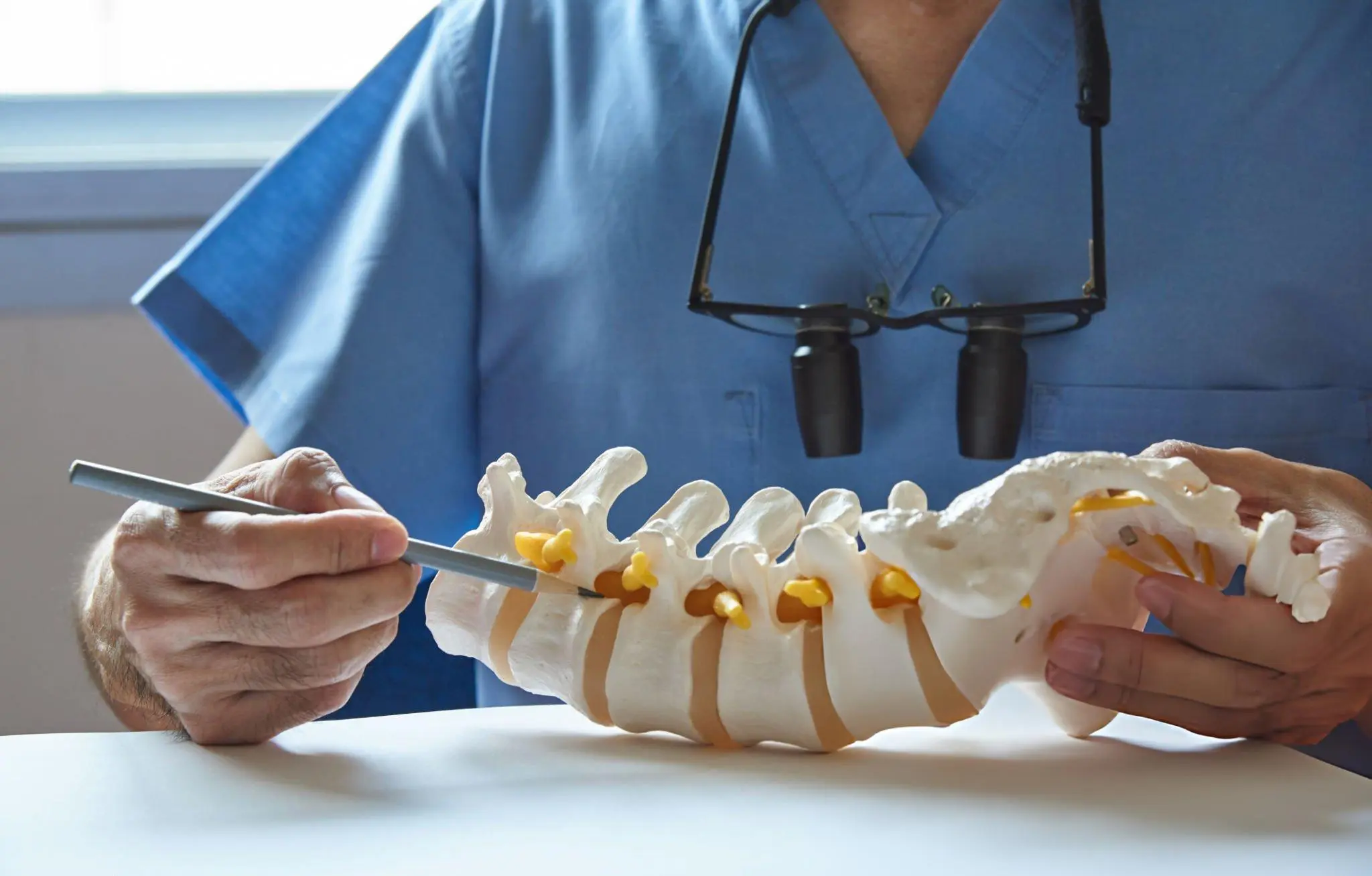



Many men only visit a doctor when something feels wrong. But many serious health conditions develop without any clear symptoms. By the time problems become noticeable, they can already be more difficult to manage.
Regular health tests help detect problems early. Early detection gives you and your GP more options for treatment and care. This guide explains which tests matter most for men and when to get them.
Key Takeaways
- Many serious conditions show no early symptoms
- Regular health tests help detect problems before they worsen
- Test needs change with age and lifestyle
- A GP can guide which tests are appropriate for your situation
- Early detection supports better long-term health outcomes
Why Regular Health Tests Matter for Men
Men often delay visiting a GP. Many feel well and assume there is nothing to check. However, conditions like high blood pressure, type 2 diabetes, and high cholesterol can develop without causing obvious symptoms.
These conditions, if not detected early, can lead to more serious health problems over time. A routine health check allows your GP to assess your current health, identify any risk factors, and advise on appropriate next steps.
If you are unsure which health tests are right for you, the team at Paterson Medical Practice can guide you based on your age, lifestyle, and medical history. A simple check-up can help identify risks early and support your long-term health.
The Most Important Health Tests Every Man Should Get
Different tests are recommended based on age, risk factors, and medical history. Your GP can advise which ones apply to your situation. Below are the tests most commonly recommended for men.
Blood Pressure Check
A blood pressure check measures the force of blood against your artery walls. It is one of the simplest and most important checks a GP can perform.
- Helps detect high blood pressure (hypertension)
- Linked to heart disease, stroke, and kidney problems
- Takes only a few minutes during a consultation
Why It Matters
High blood pressure often has no symptoms. Many people live with it for years without knowing. If left unmanaged, it can significantly increase the risk of a heart attack or stroke. A simple check can identify the problem early.
Cholesterol Test
A cholesterol test is a blood test that measures the levels of fats in your blood, including LDL and HDL cholesterol.
- Helps assess your risk of heart disease
- Identifies unhealthy fat levels that may need management
- Usually done through a simple blood sample
Why It Matters
High cholesterol increases the risk of heart attack and stroke. It causes no obvious symptoms but can be identified through a standard blood test. Your GP can advise on lifestyle changes or treatment if needed.
Blood Sugar Test
A blood sugar test checks your glucose levels. It can detect type 2 diabetes or prediabetes, where blood sugar is higher than normal but not yet in the diabetic range.
- Detects early signs of diabetes or prediabetes
- Particularly relevant for men who are overweight or have a family history
- A fasting blood test is often used for accurate results
Why It Matters
Diabetes can develop slowly without clear symptoms. Many Australians live with undiagnosed type 2 diabetes for years. Early detection through screening gives you the best chance of managing or preventing complications.
Heart Health Check
A heart health check looks at your overall cardiovascular risk. Your GP may consider your blood pressure, cholesterol, blood sugar, weight, smoking status, and family history together.
- Provides an overall assessment of your cardiovascular risk
- May include an ECG in some cases
- Helps identify men at higher risk of heart disease
Why It Matters
Heart disease is one of the leading causes of death in Australian men. Many risk factors are manageable when identified early. A heart health check helps your GP build a clear picture of your cardiovascular health.
Prostate Health Check
A prostate health check may involve a conversation with your GP about symptoms and risk factors. A PSA blood test may be considered in some cases, depending on age and individual circumstances.
- Assesses prostate-related concerns and symptoms
- PSA testing may be appropriate in certain situations
- Your GP can discuss the benefits and limitations of testing
Why It Matters
Prostate conditions become more common with age. It is important to have an informed conversation with your GP about your individual risk factors before deciding whether testing is appropriate for you.
Skin Cancer Check
A skin cancer check involves a thorough examination of your skin, including moles, spots, and other changes. Your GP or a specialist dermatologist can do it.
- Examines moles, lesions, and unusual skin changes
- Particularly important for men who spend time outdoors
- Can identify early-stage skin changes that may need monitoring
Why It Matters
Australia has some of the highest rates of skin cancer in the world. Men with a significant sun exposure history have an elevated risk. Regular skin checks allow for early assessment of any concerns.
Our men’s health focus on preventive care, routine screening, and early detection of common conditions. If you have not had a health check recently, this is a good time to speak with a GP and understand which tests are appropriate for you.
Health Tests Men Should Consider at Different Ages
Health needs change as you get older. The tests your GP recommends will depend on your age, lifestyle, and medical history.
In Your 20s and 30s
Many men in this age group feel healthy and see little reason to visit a GP. However, establishing a health baseline early is useful.
- Blood pressure check
- General health assessment
- Lifestyle review covering diet, exercise, alcohol, and smoking
- Sexual health checks are relevant
- Mental health discussion if needed
In Your 40s
The risk of chronic disease increases significantly from your 40s. This is an important decade to start more regular monitoring.
- Cholesterol testing
- Diabetes screening
- Heart risk assessment
- Blood pressure monitoring
- Weight and BMI assessment
50 and Above
From 50 onwards, screening becomes more important across a wider range of conditions.
- Prostate health discussions with your GP
- Bowel cancer screening through the National Bowel Cancer Screening Program
- Regular monitoring of any existing chronic conditions
- Bone density check if risk factors are present
- Eye and hearing checks
Health needs change over time, and the right tests depend on your stage of life. A GP can help you plan the right checks at the right time so you do not miss anything important.
Signs You Should Not Delay a Health Check
Certain symptoms should prompt a GP visit sooner rather than later. Do not wait for a routine check if you notice any of the following.
- Ongoing or unusual fatigue that does not improve with rest
- Unexplained weight changes, either gain or loss
- Chest discomfort, tightness, or shortness of breath
- Frequent urination, especially at night
- Unusual skin changes, new moles, or spots that have changed in appearance
- Persistent headaches or dizziness
- Blood in urine or stools
These symptoms do not necessarily indicate a serious condition. However, they warrant assessment by a GP to determine the cause and appropriate next steps.
If you have noticed any ongoing or unusual symptoms, it is important to have them assessed. Early evaluation can help identify the cause and guide the next steps in your care.
How a GP Helps You Choose the Right Tests
There is no single test list that suits every man. The right tests depend on your individual circumstances. Your GP takes a personalised approach based on several factors.
- Your current age and stage of life
- Your personal and family medical history
- Your lifestyle factors, including diet, exercise, smoking, and alcohol use
- Any symptoms you are currently experiencing
- Results from previous tests or investigations
Your GP will explain which tests are clinically appropriate for you, how often to repeat them, and what the results mean. This is far more useful than relying on a generic checklist.
Choosing the right health tests can feel confusing. A GP can review your health history, assess your risk factors, and recommend tests that are relevant to your situation.
How Often Should Men Get Health Tests?
Frequency depends on your age, health status, and risk factors.
- Most healthy adult men should aim for a check-up at least once a year
- Men with existing health conditions may need more frequent monitoring
- Men with a family history of heart disease, cancer, or diabetes may need earlier or more regular screening
- Always follow the guidance provided by your own GP
If you are unsure how often you should be checked, a GP consultation is the best starting point.
How Preventive Health Checks Support Long-Term Wellbeing
Preventive care is about staying ahead of health problems rather than reacting to them. Regular health checks offer several practical benefits.
- Early detection allows for earlier and often simpler management
- Monitoring helps track changes in key health markers over time
- Identifying risk factors allows lifestyle adjustments to be made before conditions develop
- Reduces the likelihood of more serious complications down the track
Men who attend regular check-ups are generally better placed to manage their health over the long term. Prevention and early detection remain among the most effective tools in primary care.
Even if you feel well, regular health checks can help detect changes early. Preventive care plays an important role in maintaining your health over time.
How Paterson Healthcare Supports Men’s Health
Paterson Healthcare offers GP consultations that include preventive health checks, routine screening, and chronic disease management. The team at Paterson Medical Practice can assess your individual health needs and guide you on which investigations may be appropriate.
Whether you are attending for the first time or continuing ongoing care, consultations at Paterson Healthcare are focused on understanding your health in full and supporting your long-term wellbeing.
Medicare bulk billing is available for eligible patients on standard and long consultations, making it more accessible to attend regular check-ups without out-of-pocket costs. Clinical suitability is assessed by your treating GP.
Conclusion
Regular health tests are one of the most practical steps a man can take to protect his long-term health. Many serious conditions develop quietly, without symptoms, and are only identified through routine screening.
The right tests depend on your age, medical history, and lifestyle. A GP is the best person to guide you through this process. If you have not had a health check recently, booking a consultation is a straightforward first step.
If you are due for a check-up or want to stay on top of your health, booking a GP consultation can help you take the next step with confidence and clarity.
FAQ’s:
What health tests should men get regularly?
Men should have blood pressure, cholesterol, and blood sugar checks as a baseline. Additional tests, such as prostate assessments, skin checks, and bowel cancer screening, depend on age and individual risk factors. A GP can confirm which tests are appropriate for you.
At what age should men start health screenings?
Basic health checks, including blood pressure and a general health assessment, can start in early adulthood. More detailed screening for conditions like diabetes and heart disease is generally recommended from age 40, or earlier if risk factors are present.
How often should men see a GP for check-ups?
Most men should attend a GP check-up at least once a year. Men with existing health conditions or known risk factors may need to be seen more frequently. Your GP will advise on the right schedule for your situation.
Do I need tests if I feel healthy?
Yes. Many serious conditions, including high blood pressure, high cholesterol, and early diabetes, develop without noticeable symptoms. Regular testing helps identify these problems before they cause complications.