
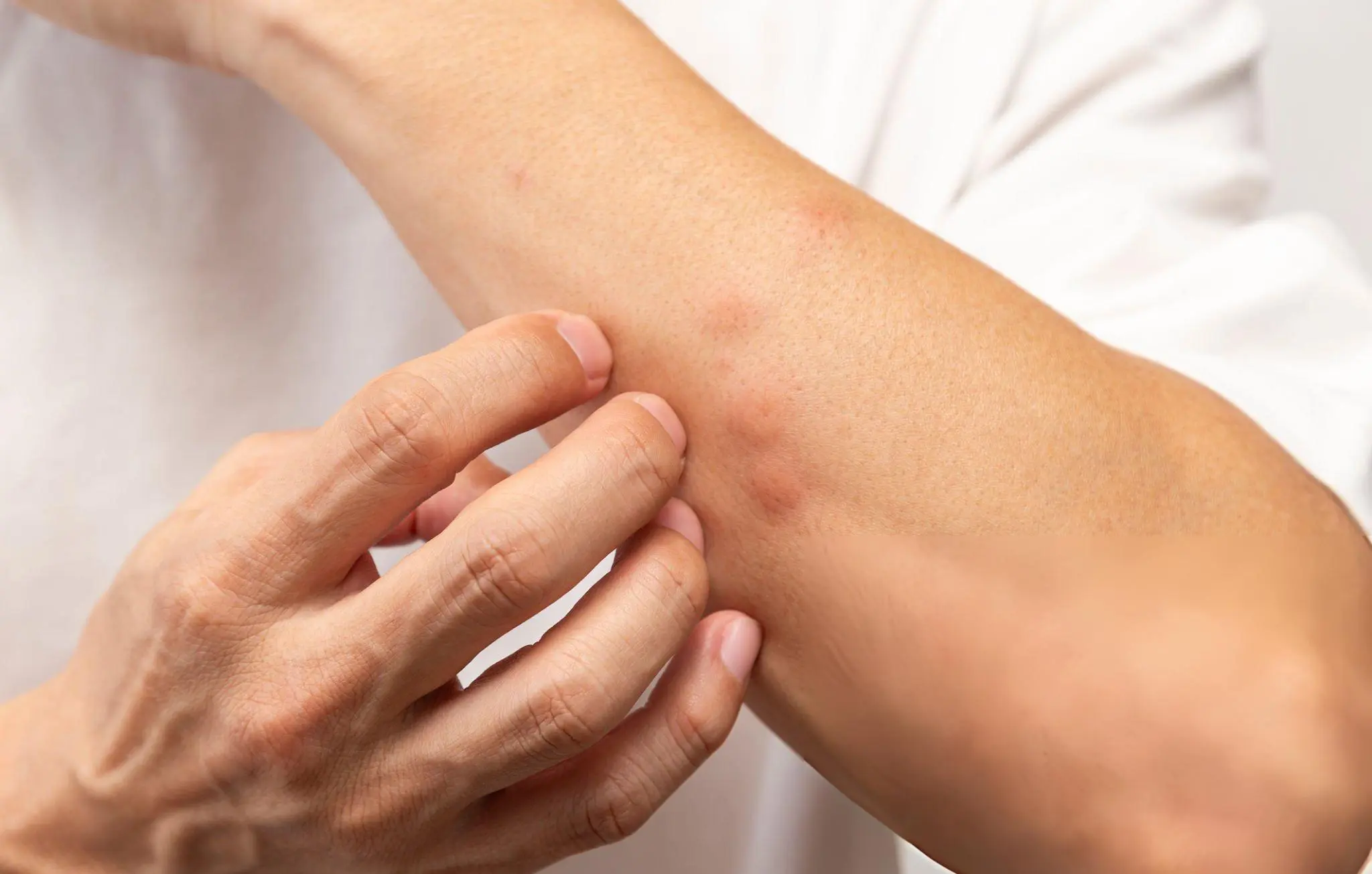



Hay fever affects many Australians, especially during spring and autumn when pollen levels rise. Symptoms can be predictable for some, while others may find them harder to anticipate.
Understanding triggers, reducing exposure, and knowing when to seek medical help can make managing hay fever easier. This guide provides key facts, practical tips, and advice on when to see a GP.
If you are struggling with hay fever symptoms, Paterson Healthcare offers GP consultations to help you manage your allergies effectively. Contact the clinic to arrange an appointment.
Key Takeaways
- Hay fever is an allergic reaction to pollen and other seasonal triggers
- It commonly affects the nose, eyes, sinuses, and breathing
- Simple lifestyle steps can reduce exposure and ease symptoms
- Over-the-counter options are available but may not suit everyone
- Knowing when to see a GP is important for persistent or severe symptoms
What Is Hay Fever?
Hay fever, also known as allergic rhinitis, is a seasonal allergy triggered by the immune system’s reaction to airborne pollen. When pollen from grasses, weeds, or trees enters the nose or eyes of a sensitive person, the body releases histamine, which triggers inflammation and the familiar allergy symptoms.
It is one of the most common conditions managed in general practice. Symptoms can range from mild and manageable to disruptive enough to affect sleep, concentration, and daily activities.
Common Symptoms of Hay Fever
Symptoms vary between individuals but typically include:
- Runny or blocked nose
- Frequent sneezing
- Itchy or watery eyes
- Scratchy or irritated throat
- Sinus pressure or headache
- Fatigue during peak pollen periods
Some people experience only mild nasal symptoms, while others find that their eyes and breathing are significantly affected. Symptoms can also worsen on high pollen days or after outdoor activity.
Why Hay Fever Happens: Seasonal Triggers
Hay fever occurs when the immune system treats harmless pollen as a threat. This response triggers inflammation and irritation, which produce allergy symptoms. Different plants release pollen at different times of year, which is why some people experience symptoms in spring, others in autumn, and some across both seasons.
In the Newcastle and Hunter Valley region, grass pollen is a common trigger during spring. Dry, windy days push pollen further through the air and increase exposure for people outdoors. Monitoring local conditions during peak season helps with planning and symptom management.
How to Check Pollen Levels in Your Area
Keeping track of daily pollen counts helps you prepare for high-exposure days. Useful resources include:
- Local weather apps that include pollen forecast data
- The AusPollen network, which provides regional pollen monitoring information
- State health service websites that publish seasonal allergy alerts
- Local news services during peak allergy season
On days when pollen counts are high, limiting outdoor time and taking preventive steps early can reduce symptom severity.
Effective Ways to Manage Hay Fever Symptoms
Managing hay fever involves reducing pollen exposure and treating symptoms as they arise. The following steps can make a practical difference:
- Stay indoors on high pollen days, particularly during morning hours when levels peak
- Keep windows closed at home and in the car during pollen season
- Rinse your face and eyes after spending time outdoors
- Use a saline nasal spray to ease congestion and flush out allergens
- Wear wraparound sunglasses to protect your eyes outside
- Shower and change clothes after an outdoor activity to remove pollen
- Plan outdoor exercise for late afternoon when pollen counts are generally lower
- Monitor daily pollen forecasts and adjust plans accordingly
These steps do not eliminate exposure, but they can reduce the amount of pollen that reaches your airways and the severity of your symptoms.
For personalised advice on managing your hay fever symptoms, speak with a GP at Paterson Healthcare. A consultation can help identify the most appropriate approach for your situation.
Over-the-Counter Options That Can Help
Several over-the-counter products may relieve symptoms, but their suitability depends on the individual’s symptoms and medical history. Common options include:
- Antihistamine tablets or liquids, which reduce sneezing, itching, and a runny nose
- Nasal corticosteroid sprays, which reduce inflammation inside the nasal passages
- Eye drops formulated for allergic reactions to relieve itching and redness
- Saline nasal rinses to clear the nasal passages of pollen and irritants
These products are available without a prescription, but suitability varies depending on your symptoms, age, and medical history. A pharmacist can help identify the most appropriate option. If over-the-counter products are not providing adequate relief, a GP consultation is the recommended next step.
When to See a GP
Most people can manage mild hay fever with lifestyle changes and pharmacy products. However, if symptoms are severe, persistent, or don’t improve with over-the-counter treatments, it’s time to see a GP.
If hay fever is disrupting your sleep, concentration, or daily activities, a GP can assess your symptoms, discuss prescription options, and consider referral for allergy testing. If standard management isn’t working, contact Paterson Healthcare for a consultation and further guidance.
Hay Fever in Children: What Parents Should Know
Hay fever is common in children and often mistaken for a cold. Key signs include frequent nose rubbing, sneezing, watery eyes, and irritability during pollen season. If these symptoms occur regularly at the same time each year, it may be hay fever. A GP can confirm the cause and recommend age-appropriate treatments.
Lifestyle Habits That Can Make a Difference
Beyond medication and pollen avoidance, a few consistent habits can reduce overall allergen load:
- Vacuum and clean indoor spaces regularly to remove dust and pollen
- Change bed linen frequently during allergy season
- Consider an air purifier for bedrooms, particularly for children with symptoms
- Avoid outdoor exercise during early morning hours on high pollen days
- Dry washing indoors during peak pollen periods to prevent pollen from collecting on fabric
These measures reduce overall allergen exposure throughout the day, which can help keep symptoms at a manageable level.
Common Myths About Hay Fever
Myth: Hay fever only occurs in spring. Fact: Different plants pollinate at different times of year. Some people experience symptoms in spring, others in autumn, and some throughout multiple seasons.
Myth: Only adults develop hay fever. Fact: Children and teenagers are commonly affected. Hay fever can begin at any age, and symptoms often change over time.
Myth: Hay fever is not a serious condition. Fact: For some people, hay fever significantly disrupts sleep, concentration, and daily functioning. It can also trigger or worsen asthma in people with both conditions.
FAQs:
What triggers hay fever allergies?
Pollen from grasses, trees, and weeds is the most common trigger. Other airborne particles, such as mould spores, can also contribute to symptoms in some individuals.
How long does hay fever season last?
It varies by region and the plants being pollinated. In most parts of Australia, spring and autumn are the peak periods, but symptoms can occur at other times.
Can hay fever go away on its own?
Symptoms can change over time and may improve with age in some people. However, most individuals benefit from ongoing management rather than waiting for symptoms to resolve.
Is hay fever contagious?
No. Hay fever is an allergic reaction, not an infection. It cannot be passed from one person to another.
Conclusion
Hay fever can be managed with an understanding of your triggers, practical steps to reduce exposure, and appropriate treatment. Knowing when to see a GP is key, especially for persistent or severe symptoms. If you need support, Paterson Healthcare offers GP consultations to help manage your hay fever. Contact us to book an appointment.