
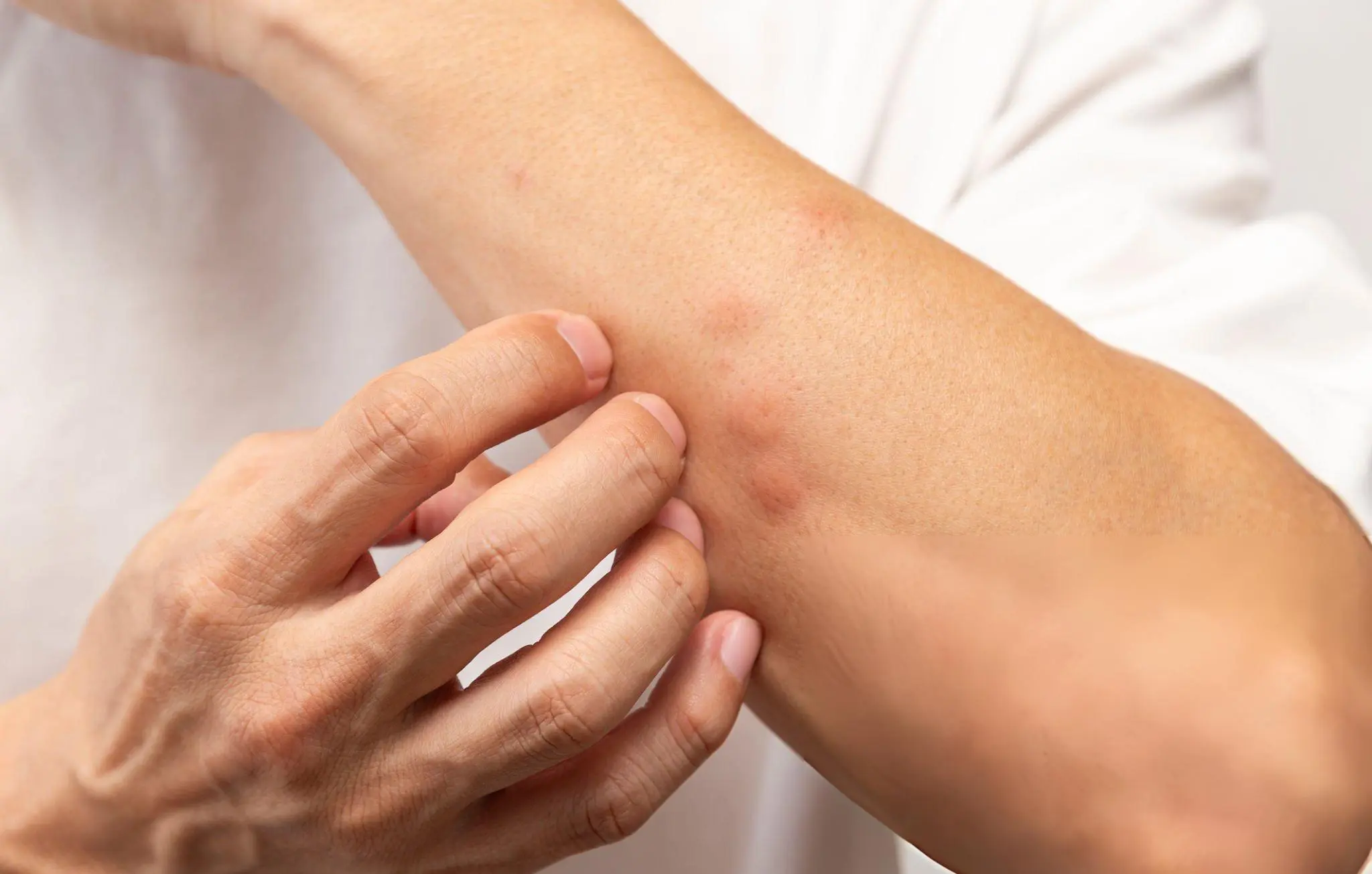



Skin cancer is one of the most common cancers in Australia. When detected early, it can often be managed effectively. Knowing when to get a skin check is one of the most practical steps you can take for your long-term health.
This article helps you recognise warning signs, understand who is at higher risk, and know what to expect from a skin check.
Concerned about your skin? Paterson Healthcare offers skin assessments through GP consultations. Speak with the team to arrange an appointment.
Key Takeaways
- Skin cancer is common in Australia and is more manageable when found early
- Regular skin checks support better health outcomes
- Certain people face a higher risk and may need more frequent checks
- Sun exposure history and skin changes are important factors to consider
- A GP can assess any concerns and advise on next steps
Why Skin Cancer Awareness Matters
Australia has one of the highest rates of skin cancer in the world. Years of sun exposure, particularly in younger life, increase the risk of skin changes later on. Most skin cancers can be managed more effectively when identified early. A GP can assess suspicious spots before they progress.
Speak with a GP at Paterson Healthcare if you are unsure about your sun protection routine or want to understand your risk of skin cancer.
Who Should Consider a Skin Check
Some people face a higher risk than others. A skin check is worth considering if any of the following apply.
- Fair or freckled skin that burns easily
- History of sunburns, particularly severe or blistering burns
- Family history of skin cancer or melanoma
- Previous skin cancer diagnosis
- Regular outdoor work or prolonged sun exposure
- Adults aged 50 and above
Risk increases when several of these factors are present. If you fall into one or more categories, speaking with a GP about the frequency of checks is a sensible step.
Paterson Healthcare provides skin assessments through GP consultations. If you have risk factors, speak with the team to discuss how often you should be checked.
Signs You Should Get a Skin Check
You do not have to wait for an annual check if you notice skin changes. The following signs are worth having assessed by a GP.
- New or changing moles – changes in size, shape, or colour
- Asymmetrical spots – one half looks different from the other
- Irregular borders – jagged or blurred edges
- Unusual colours – multiple shades within a single spot
- Sores that do not heal – wounds persisting for several weeks
- Tender or bleeding areas – spots that itch, bleed, or crust
Most skin changes are not serious. However, any of the above signs warrant a professional assessment.
If you have noticed any of these signs, speak with a GP at Paterson Healthcare to arrange a skin assessment.
How Often Should You Get a Skin Check?
For most adults, a yearly skin check is a good starting point. More frequent checks may be appropriate if you have a history of skin cancer, multiple risk factors, or spots that need monitoring. Your GP can advise on a schedule that suits your individual history and skin type.
What Happens During a Skin Check
A skin check is a straightforward process. Your GP will examine your skin carefully and may use a dermatoscope to get a closer look at individual spots.
A typical skin check includes:
- Review of your personal and family skin health history
- Full visual assessment from head to toe
- Closer examination of any spots you or your GP identify
- Discussion of findings and recommended next steps
Your GP will explain their findings clearly and discuss any further steps if required.
Protecting Your Skin Every Day
Simple daily habits reduce cumulative UV damage over time.
- Wear a broad-brimmed hat and protective clothing outdoors
- Apply SPF 30 or higher sunscreen to exposed skin
- Seek shade between 10 am and 4 pm when UV levels are highest
- Reapply sunscreen every two hours
- Check your own skin monthly for new or changing spots
These steps do not replace GP checks but do reduce long-term skin damage.
When to See a GP Sooner
Some skin changes should be assessed sooner rather than at your next routine appointment. See a GP promptly if you notice:
- A spot that has grown noticeably over a short period
- Persistent bleeding, crusting, or open sores
- Redness or inflammation spreading from a mole
- Any lesion that feels tender, raised, or unusual
Early assessment gives your GP the best opportunity to identify concerns and advise on appropriate next steps.
If you have noticed skin changes that concern you, contact Paterson Healthcare to arrange a prompt GP assessment.
What Your GP Can Do Next
If your GP identifies a spot needing closer attention, they may take several steps depending on what they find.
Possible next steps include:
- Clinical photography to monitor specific spots over time
- Dermatoscopic evaluation for a detailed view of lesions
- Referral to a dermatologist if further assessment is needed
- A follow-up appointment to review any changes
Your GP will explain each step clearly based on your individual assessment.
If you are due for a skin check or have a specific concern, Paterson Healthcare offers skin assessments through GP consultations. Book an appointment to discuss your skin health.
Conclusion
Skin cancer checks are important for everyone, particularly those at higher risk. Regular monitoring combined with daily sun protection gives you the best opportunity to stay ahead of potential concerns. If you notice any changes between checks, a GP can assess them and advise on next steps.
Regular skin checks are a practical part of long-term health care. Book an appointment at Paterson Healthcare to stay on top of your skin health.
FAQ’s:
How often should I get a skin check?
Most adults benefit from a yearly check. If you have risk factors, your GP may recommend more frequent assessments.
Is a skin check necessary if I have no symptoms?
Yes. Many skin cancers develop without early symptoms. Routine checks help identify changes you may not yet notice.
What does a skin check involve?
Your GP visually inspects your skin and may use a dermatoscope to examine individual spots more closely.
Can I check my own skin at home?
Yes. A monthly self-check helps you notice changes between GP visits. Raise anything unusual at your next appointment.