
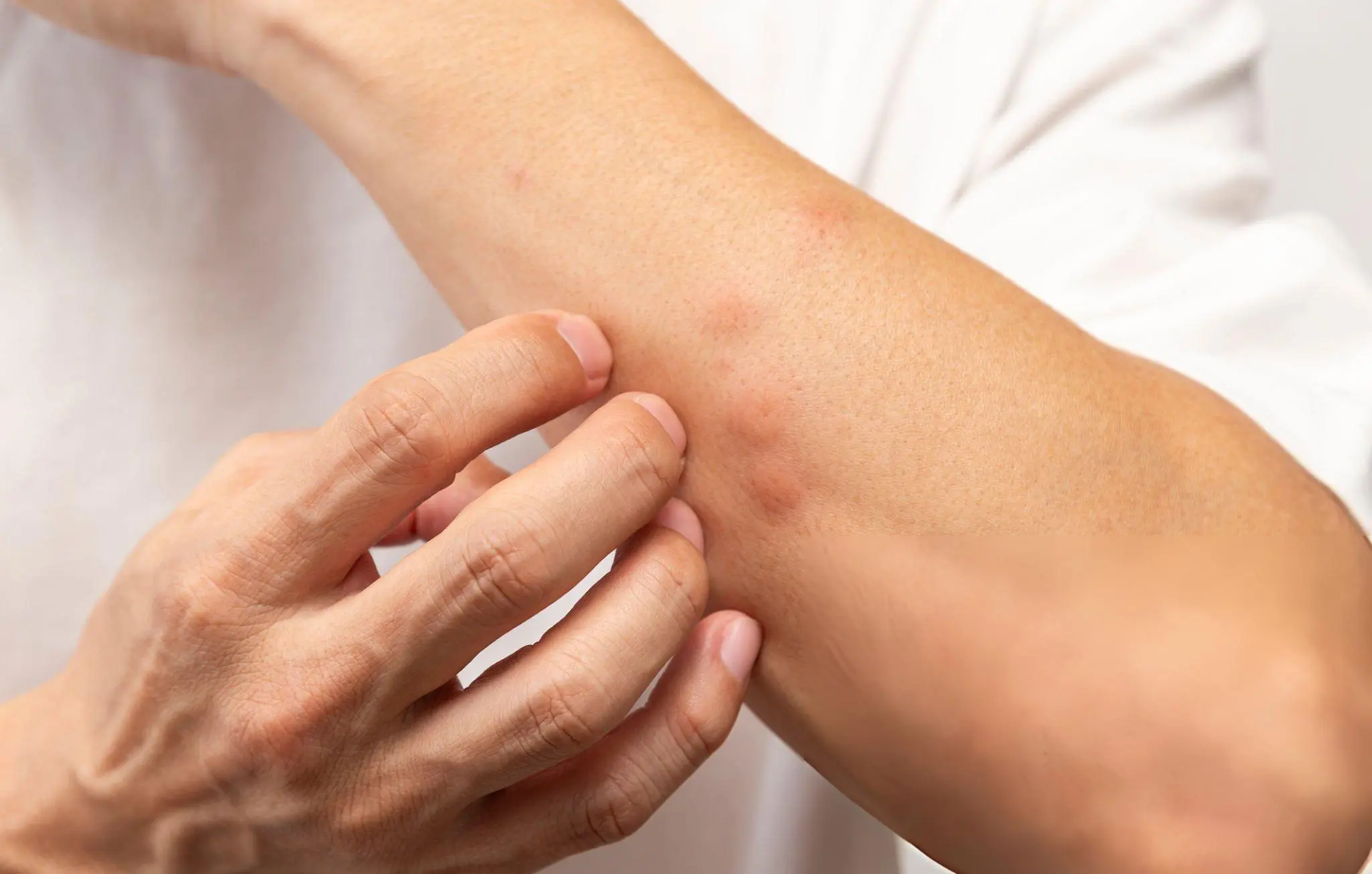


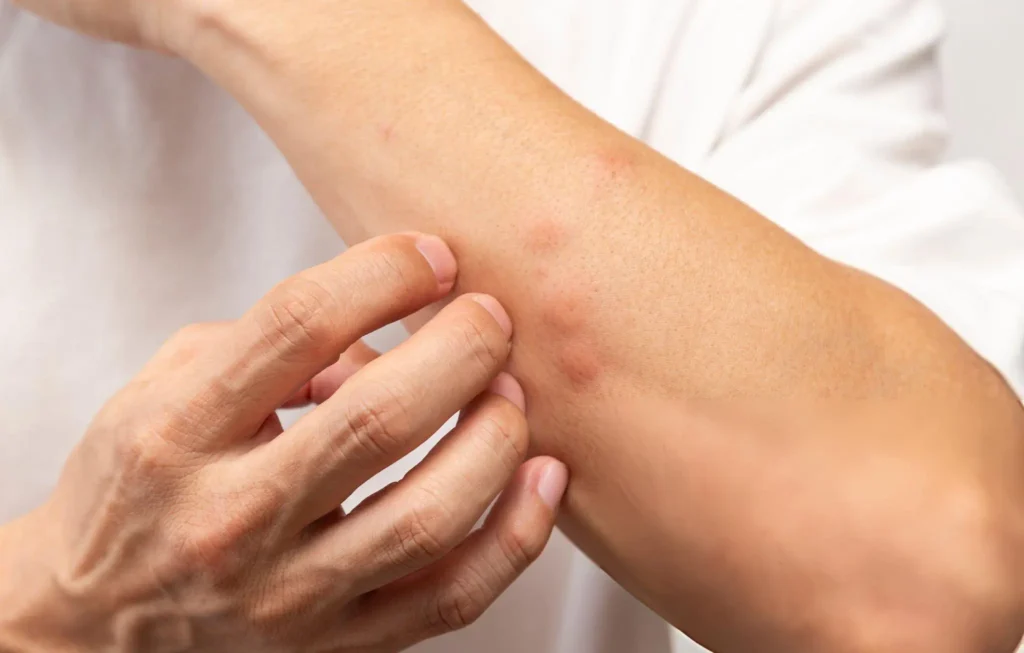
Most insect bites cause temporary itching, redness or swelling and settle with simple care. Some bites become more painful, swollen or infected, and these may need a GP assessment. Rarely, a severe allergic reaction can occur and needs emergency help.
This guide explains common bite types, symptoms, home treatment and when an insect bite may need GP assessment.
Key Takeaways
- Most uncomplicated insect bites cause temporary itching, redness or swelling.
- Mosquito, flea and bed bug bites can look very similar
- Mild reactions may improve with simple first aid
- Increasing pain or spreading skin changes may need GP assessment
- Suspected anaphylaxis is an emergency. Call Triple Zero (000)
What Are Insect Bites?
Insect bites occur when insects bite the skin to feed or defend themselves. Their saliva or other substances may cause itching, swelling or irritation. Reactions vary between people, and insect bites and stings can cause different symptoms.
What Are the Common Symptoms of Insect Bites?
Insect bites commonly cause itching, swelling or skin irritation around the affected area. Some reactions develop soon after a bite, while others become more noticeable later. Most uncomplicated bites improve within a few days.
Common symptoms include:
- Itching or irritation around the bite
- Redness or a change in skin colour
- A raised bump or welt
- Swelling in the area
- Mild pain or tenderness
- Small blisters in some cases
Redness can be harder to see on darker skin. In that case, warmth, swelling and tenderness may be more noticeable. No single symptom confirms a bite or an infection.
Types of Insect Bites: Mosquito, Flea and Bed Bug Bites
Several common insects can cause similar skin reactions. Appearance alone may not identify which insect is responsible.
- Mosquito bites: Often cause itchy, raised bumps or local swelling.
- Flea bites: May leave small, itchy marks, commonly around the ankles or legs.
- Bed bug bites: May cause itchy bumps after sleeping. Signs of bed bugs in the room can offer additional clues.
Ticks and spiders are not insects, and their bites may require different first aid. If a tick is attached, do not squeeze, twist or pull it out. Australian guidance recommends killing the tick in place using an appropriate ether-containing freezing product before removal. Seek urgent medical advice if you have a known tick allergy.
How Can You Treat Insect Bites at Home?
Most mild insect bites can be managed at home with gentle cleaning, a cool compress and suitable symptom relief.
- Clean the area. Wash gently with soap and water.
- Use a cool compress. A cloth-wrapped cold pack may ease itching and swelling.
- Avoid scratching. Broken skin can increase the chance of infection.
- Ask a pharmacist about itch relief. Suitable creams or antihistamines depend on age and individual circumstances, especially for children and pregnant women.
- Monitor the bite. If it worsens or does not improve as expected, seek medical advice.
These steps suit uncomplicated insect bites only. They are not suitable for every venomous bite or sting. For further information about different Australian bites and stings, see Healthdirect Australia’s first-aid guidance.
How Can You Tell if an Insect Bite Is Infected?
An insect bite can become infected if bacteria enter damaged skin, sometimes after scratching. Increasing pain, warmth or spreading skin changes may suggest infection, although a strong local reaction can look similar.
Signs to watch for include:
- Increasing pain and tenderness
- Spreading redness or skin colour change
- Growing warmth or swelling
- Pus or discharge
- Fever or feeling generally unwell
Itching, redness and swelling alone do not confirm infection. A large local reaction can cause swelling without any infection. Cellulitis is a bacterial skin infection that usually requires antibiotic treatment. A photograph or online checklist cannot reliably confirm the diagnosis, so prompt clinical assessment is important if cellulitis is suspected.
When Should You See a GP for an Insect Bite?
A GP can assess a bite that is worsening, may be infected or is not settling as expected. Seek advice if:
- Pain, swelling or redness keeps getting worse
- You suspect infection
- The bite is not improving as expected
- Symptoms are affecting daily activities or sleep
- You develop fever, a rash, headache or joint pain after a mosquito bite
Parents should seek medical advice if a child has increasing pain, significant swelling, fever or other concerning symptoms. Paterson Healthcare’s children’s health services provide GP care for acute childhood health concerns.
If an insect bite becomes increasingly painful, swollen or warm, or you are concerned about infection, a GP assessment can help determine whether treatment is needed.
When Is an Insect Bite or Sting a Medical Emergency?
Suspected anaphylaxis is a medical emergency. Give an available adrenaline device immediately, following its instructions or the person’s action plan, and call Triple Zero (000). Lay the person flat and do not let them stand or walk. If breathing is difficult, they may sit with their legs outstretched while awaiting help.
Warning signs include:
- Difficulty breathing or wheezing
- Swelling of the tongue or throat
- Difficulty speaking or swallowing
- Sudden collapse or marked dizziness
- Abdominal pain or vomiting after an insect sting in someone with suspected insect allergy
- A pale, floppy child after a suspected severe reaction
Swelling limited to the bite area is usually a local reaction rather than anaphylaxis. However, breathing difficulties, collapse or other signs of a severe allergic reaction require immediate emergency action.
What Happens During a GP Assessment for an Insect Bite?
During an appointment, a GP may examine the affected area and review your symptoms, medical history and relevant health concerns. The assessment may include:
- Ask about symptoms, timing, medical history and allergies
- Examine the skin for a local reaction or signs of infection
- Discuss treatment, tests or follow-up where appropriate
Antibiotics are not routinely needed for uncomplicated insect bites. Treatment depends on what the GP finds.
How Can You Reduce the Risk of Insect Bites?
Simple steps can lower your chance of being bitten:
- Use insect repellent according to the label
- Wear long, loose clothing outdoors, especially at dusk
- Use screens on windows and doors
- Remove standing water around the home to limit mosquito breeding
For people in Paterson and surrounding Hunter Region communities, gardening, outdoor work and recreation can involve more exposure to biting insects.
Insect Bite Assessment in Paterson NSW
Patients in Paterson concerned about a worsening or persistent insect bite can discuss their symptoms with a GP. Assessment and any treatment recommendations depend on individual clinical findings.
To arrange an appointment for a concerning bite or skin reaction, contact Paterson Healthcare.
FAQ’s
How long do insect bites usually last?
Most uncomplicated bites improve within a few days, although itching and swelling may last longer. Seek medical advice if symptoms worsen or do not improve as expected.
Why is my insect bite so swollen?
Swelling is often a local reaction and does not necessarily mean infection. Increasing pain, warmth or spreading redness may need GP assessment.
Can you identify an insect bite from a picture?
Not reliably. Mosquito, flea and bed bug bites can appear similar, and other skin conditions can resemble insect bites.
When should a child see a GP for an insect bite?
Seek advice for significant or worsening swelling, pain, suspected infection or other concerning symptoms. Call 000 for suspected anaphylaxis.