



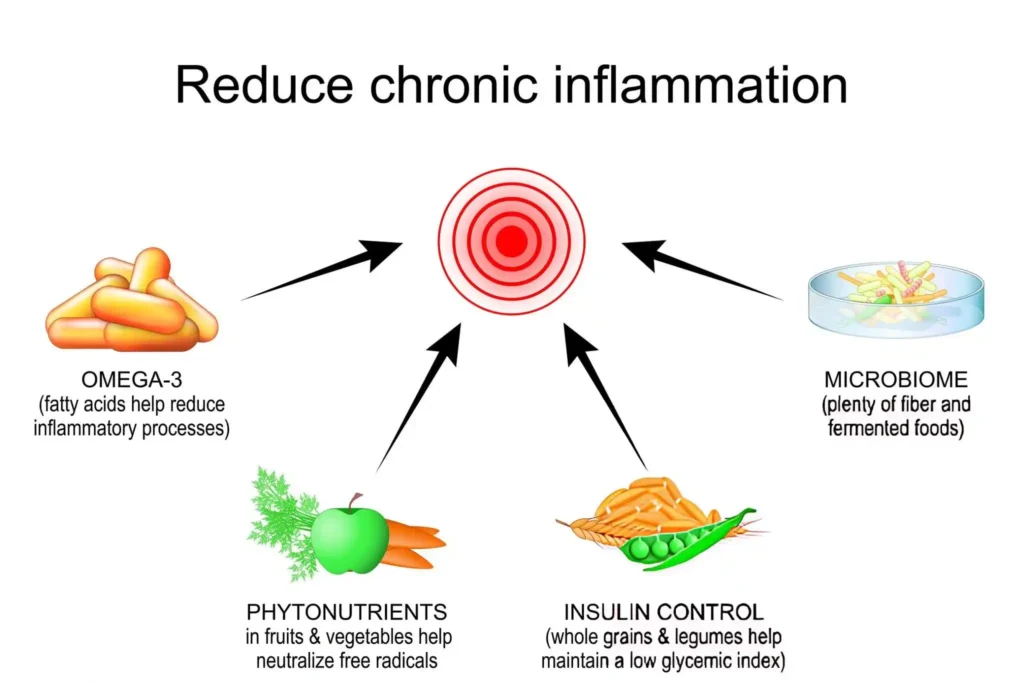
Chronic inflammation is a low-grade immune response that can continue for months or years and may contribute to several long-term health concerns over time. Unlike the short-term inflammation that helps your body heal after an injury, ongoing low-grade inflammation has been linked with several serious health conditions.
The good news is that everyday habits, particularly what you eat and how well you sleep, may help support healthier inflammation levels over time. This article explains what chronic inflammation means, how diet and sleep play a role, and when to speak with a GP.
Key Takeaways
- Chronic inflammation is linked with several long-term health risks, including heart disease, diabetes, and arthritis.
- Diet quality and sleep habits may influence how the body manages inflammation.
- Whole foods and Mediterranean-style eating patterns may support overall metabolic and cardiovascular health.
- Poor sleep can affect immune regulation, recovery, and energy
- Lifestyle changes support health but do not replace medical assessment
- Ongoing symptoms should be discussed with a GP
What Is Chronic Inflammation?
Short-term inflammation is a normal part of healing. When you cut your finger or catch a cold, your immune system responds with temporary inflammation to fight infection and repair tissue. This is healthy.
Chronic inflammation is different. It is a low-grade, ongoing process where the immune system stays activated even when there is no injury or infection. According to Healthdirect Australia, inflammation that continues over a long period may contribute to conditions such as type 2 diabetes, heart disease, arthritis, and high blood pressure. It often has no obvious symptoms in the early stages.
Can Diet and Sleep Help Reduce Chronic Inflammation?
Research suggests that both diet and sleep quality play a role in how the body manages inflammation. The Better Health Channel recommends Mediterranean-style eating patterns for supporting joint and general health. Healthdirect Australia notes that sleep supports immune function, tissue repair, heart health, and appetite regulation.
Neither diet nor sleep is a cure for inflammation. However, consistent healthy habits in both areas may help reduce some of the risk factors associated with chronic inflammation over time.
Foods That May Support Lower Inflammation
A Mediterranean-style eating pattern has the strongest evidence for supporting healthy inflammation levels. The Better Health Channel notes that eating patterns rich in vegetables, fruit, fish, nuts, and olive oil may support long-term health. The focus is not strict dieting but building more consistent healthy eating habits.
Foods that may help include:
- Vegetables and fruit, especially leafy greens and berries
- Whole grains such as oats, brown rice, and wholemeal bread
- Legumes and pulses, including lentils, chickpeas, and beans
- Nuts and seeds
- Olive oil as a regular cooking fat
- Oily fish such as salmon, sardines, or mackerel
- Herbs and spices, including turmeric and ginger
No single food reduces inflammation on its own. The overall pattern of what you eat consistently matters more than any individual ingredient.
Foods and Habits That May Increase Inflammation Risk
Certain eating patterns may contribute to higher levels of inflammation over time. The goal is not perfection, but understanding which habits may support better long-term health.
Patterns worth limiting where possible include:
- Frequent intake of ultra-processed foods
- High added sugar consumption
- Excess alcohol intake
- Low fibre diets
- Irregular or skipped meals
- Low physical activity levels
Small, consistent changes are more realistic and sustainable than trying to overhaul everything at once.
How Sleep Affects Inflammation and Recovery
Sleep is one of the most underrated factors in managing inflammation. During sleep, your body carries out essential repair, hormone regulation, and immune maintenance. When sleep is poor, these processes are disrupted.
Healthdirect Australia explains that sleep helps repair tissues, regulate emotions, support immune function, and maintain heart and appetite health. The RACGP also recognises sleep as an important factor in preventive health assessments. Research suggests that poor sleep quality and consistently inadequate sleep may affect inflammation-related processes in the body over time.
Poor sleep also affects energy, mood, appetite, and decision-making, which can make it harder to maintain healthy eating and exercise habits during the day.
Simple Sleep Habits That May Help
Improving sleep does not always require major changes. Small adjustments to your routine may make a noticeable difference over time.
- Keep a regular sleep and wake time, including weekends
- Get morning sunlight exposure to support your natural sleep cycle
- Reduce screen time for at least 30 minutes before bed
- Limit caffeine intake after midday
- Keep the bedroom cool, dark, and quiet
- Discuss persistent snoring or poor sleep quality with a GP
If sleep problems continue despite good habits, this is worth raising at your next general medicine consultation.
Symptoms That Should Not Be Blamed on Inflammation Alone
While lifestyle factors play a role, some symptoms need proper medical assessment. Healthdirect Australia advises that persistent or unexplained symptoms should be discussed with a doctor rather than managed at home alone. Do not assume that ongoing health concerns are caused by inflammation.
See a GP if you experience:
- Ongoing fatigue that does not improve with rest
- Unexplained weight changes
- Persistent joint or muscle pain
- Swelling without an obvious cause
- Recurring fever or night sweats
- Digestive changes lasting more than a few weeks
- Poor sleep that does not respond to routine changes
If fatigue, pain, poor sleep, or other symptoms continue, a GP consultation can help assess possible causes and guide appropriate next steps.
What a GP May Check If You Have Ongoing Symptoms
A GP can help identify whether symptoms may be related to inflammation, chronic disease risk, or other underlying causes. During a consultation, a GP may review:
- Your symptom history and how long concerns have been present
- Sleep patterns and lifestyle factors
- Blood pressure and weight
- Current medications and any side effects
- Pathology tests if clinically indicated, such as blood sugar, cholesterol, liver function, or inflammatory markers
- Chronic disease risk factors based on your medical and family history
- Whether referral to a specialist or allied health provider may be appropriate
Paterson Healthcare can support patients with health checks, pathology referrals, and chronic disease risk assessment where clinically appropriate.
Conclusion
Diet and sleep are two of the most practical areas where everyday habits may support healthier inflammation levels. Mediterranean-style eating patterns, consistent sleep routines, and realistic lifestyle adjustments can all contribute to better long-term health.
However, lifestyle changes work best alongside proper medical care. If symptoms such as fatigue, pain, or poor sleep persist, a GP can help identify possible causes and guide the right next steps.
To discuss ongoing fatigue, poor sleep, or inflammation-related concerns, contact Paterson Healthcare to arrange a GP appointment.
FAQs
Can lifestyle changes help reduce chronic inflammation?
Lifestyle habits such as a balanced diet, consistent sleep, regular physical activity, and stress management may support healthy inflammation levels. Medical assessment is important if symptoms persist or worsen.
What foods help with inflammation?
Mediterranean-style eating patterns including vegetables, fruit, legumes, nuts, olive oil, whole grains, and oily fish may support overall health. No single food reduces inflammation on its own.
Can poor sleep increase inflammation?
Poor sleep can affect immune function, tissue repair, mood, appetite, and energy levels. Over time, consistently poor sleep may contribute to higher levels of inflammatory activity in the body.
When should I see a GP about inflammation?
See a GP if you experience ongoing fatigue, unexplained pain, swelling, digestive changes, poor sleep, or any persistent symptoms that are affecting your daily life.
Resources and References
RACGP Preventive Health Guidelines