

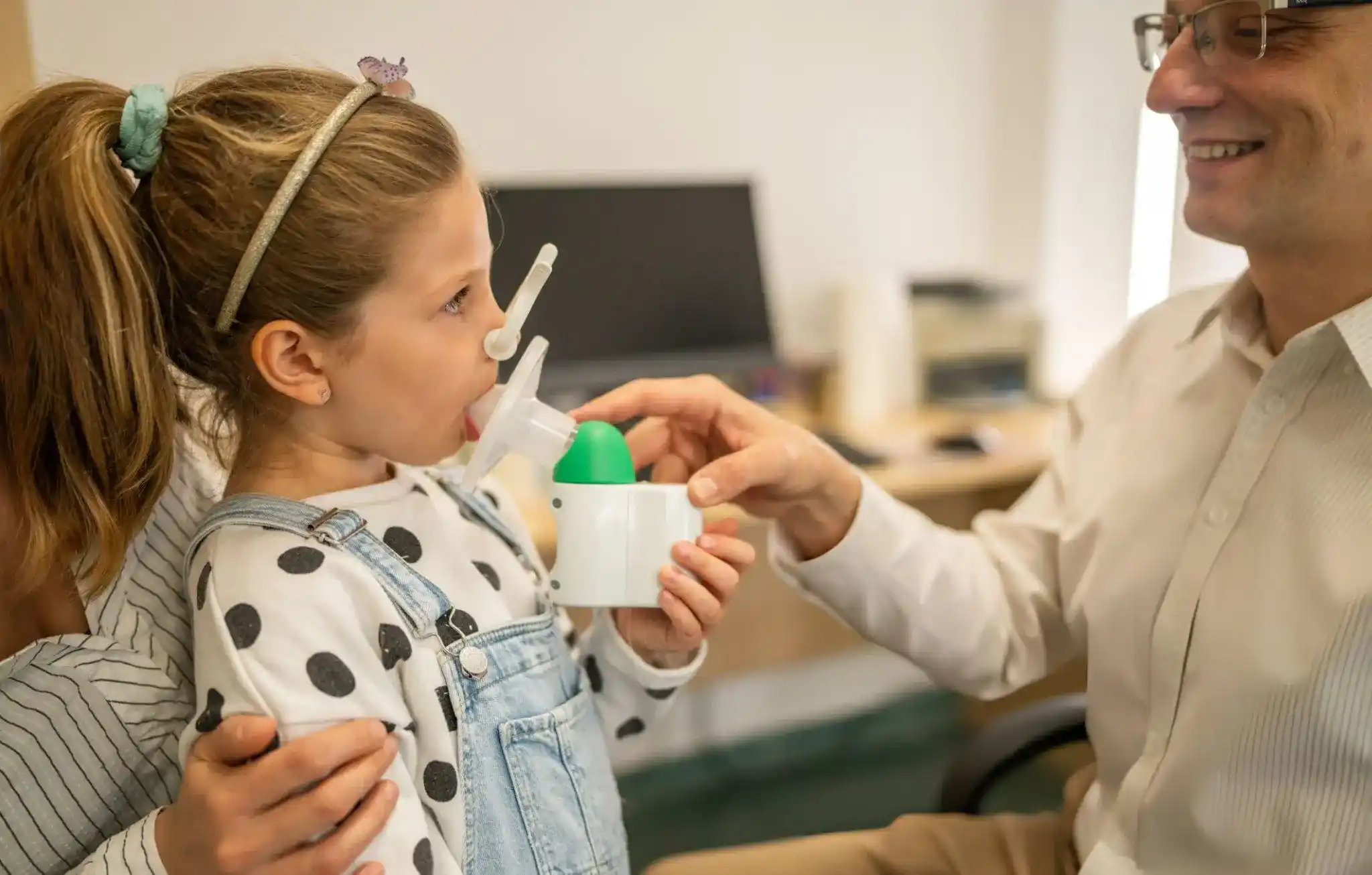


Colds, influenza, COVID-19, acute bronchitis and pneumonia are among the respiratory illnesses that can affect adults. They often share symptoms such as cough, fever, sore throat, fatigue and congestion, so symptoms alone may not identify the exact cause.
This article explains common illness patterns, what can usually be monitored at home, and when GP assessment is appropriate.
Key Takeaways
- Several respiratory illnesses cause similar symptoms in adults
- Many common respiratory illnesses, including colds and acute bronchitis, are caused by viruses.
- A cough can sometimes continue after other symptoms improve
- Worsening symptoms, ongoing breathlessness or persistent illness may need GP assessment
- Severe breathing difficulty requires urgent medical care
What Are the Most Common Respiratory Illnesses in Adults?
Respiratory illness affects the nose, throat, airways and lungs. Different infections can produce surprisingly similar symptoms, which is why symptoms alone are not a reliable way to identify the exact cause.
For more background, Healthdirect Australia’s respiratory virus guide provides further information on common viral respiratory infections and their overlapping features.
| Illness | Typical symptom pattern | Important context |
| Common cold | Runny or blocked nose, sore throat, cough, mild fatigue | Usually viral and relatively mild |
| Influenza | Fever, body aches, headache, marked fatigue, cough | Symptoms may start more suddenly and feel more intense |
| COVID-19 and other respiratory viruses | Cough, fever, sore throat, fatigue, congestion, sometimes breathlessness | Symptoms overlap considerably with other viral infections |
| Acute bronchitis | Cough with or without phlegm, sometimes wheeze or chest discomfort | Usually viral; cough can continue for two to three weeks |
| Pneumonia | Cough, fever, breathlessness, rapid breathing, fatigue, chest discomfort | Can be viral or bacterial and may require prompt assessment |
These patterns are useful guides, not diagnostic rules. Symptoms can vary between individuals and a GP may need to consider the overall clinical picture.
What Does “Chest Infection” Mean?
Chest infection is a general term rather than a single diagnosis. Acute bronchitis, pneumonia and respiratory viruses such as influenza, COVID-19 or RSV can all cause lower respiratory symptoms including cough, phlegm, chest discomfort and breathlessness.
Knowing the exact cause usually requires clinical assessment rather than symptom comparison alone.
Can a Mild Respiratory Illness Be Managed at Home?
Many mild viral respiratory illnesses improve with time and supportive care. General measures that may help include:
- Resting and staying home while unwell
- Drinking adequate fluids throughout the day
- Avoiding smoke and other respiratory irritants
- Discussing suitable symptom-relief options with a pharmacist or healthcare professional where needed
- Asking a pharmacist about options for specific symptoms
Antibiotics are not appropriate for every respiratory illness because many common infections are viral. A GP may consider antibiotics when a bacterial infection is suspected and treatment is clinically appropriate.
When Should You See a GP for a Respiratory Illness?
Consider seeing a GP if your symptoms are worsening, are not improving as expected, or are affecting your breathing or usual daily activities.
More specifically, see a GP if you notice:
- A cough lasting around two to three weeks or longer
- Symptoms that appear to improve and then become worse again
- Persistent or recurring fever
- Wheeze or increasing breathlessness
- Ongoing chest discomfort
- Coughing up blood or blood-stained mucus
- Fatigue or illness that continues to worsen rather than settle
- An existing condition such as asthma, COPD, heart disease or another significant chronic illness
- Older adults with significant or worsening symptoms
- Reduced immunity or another factor that makes respiratory illness higher risk
If your cough, fever, wheeze or other respiratory symptoms are worsening or not improving as expected, a general medicine consultation can help a GP review the pattern and discuss whether further assessment is needed.
When Do Respiratory Symptoms Need Urgent Medical Care?
Most respiratory symptoms do not require emergency care. However, some breathing symptoms should not be managed at home.
Seek urgent medical attention if you experience:
- Severe or rapidly worsening difficulty breathing
- Blue or grey lips or fingernails
- Confusion or significantly reduced alertness
- Collapse or inability to stay conscious
- Another life-threatening deterioration
Call triple zero (000) for an ambulance in a respiratory emergency. Call triple zero (000) for emergency assistance if breathing difficulty is severe.
What May a GP Check for Respiratory Symptoms?
Understanding what happens at the appointment can help reduce uncertainty. A GP may review:
- How long symptoms have been present and how they have progressed
- Your medical history and any existing health conditions
- Current medicines and relevant exposures such as smoking or occupational dust
- Temperature, breathing rate and other relevant observations
- Chest examination and oxygen saturation where clinically indicated
Depending on the findings, a GP may also consider further investigation such as respiratory testing, chest imaging or another assessment. Not every consultation will require additional testing. The clinical decision depends on symptoms, examination findings and your individual circumstances.
If breathlessness or persistent wheeze is part of your concern, further lung-function assessment such as a spirometry test may sometimes be discussed depending on the clinical situation.
Respiratory Illness Assessment in Paterson
Adults with persistent or worsening cough, wheeze, fever or other respiratory symptoms can discuss their concerns during a GP appointment in Paterson. Assessment, testing, treatment or follow-up will depend on symptoms, medical history and clinical findings.
Paterson Healthcare’s general medicine service covers assessment of new symptoms and common illnesses, with tests, treatment or referral arranged where clinically appropriate.
To discuss persistent or worsening respiratory symptoms in Paterson, contact Paterson Healthcare to arrange an appropriate GP appointment.
FAQs
How do I know if I have a cold, flu or another respiratory infection?
Symptoms can overlap significantly. Colds often cause more nasal and throat symptoms, while influenza may cause more sudden fever, body aches and fatigue. However, symptoms alone cannot reliably identify the exact infection.
How long can a cough last after a respiratory infection?
It depends on the cause. An acute-bronchitis cough commonly lasts around two to three weeks and may sometimes continue longer. A persistent, worsening or concerning cough should be assessed by a GP.
Do respiratory infections always need antibiotics?
No. Many respiratory infections, including most cases of acute bronchitis, are caused by viruses, so antibiotics are not appropriate in every case. A GP can assess whether bacterial infection is suspected and whether treatment is indicated.
When is shortness of breath an emergency?
Severe or rapidly worsening breathing difficulty, blue lips, confusion, collapse or another life-threatening deterioration requires urgent medical attention. Call triple zero (000) for an emergency.