

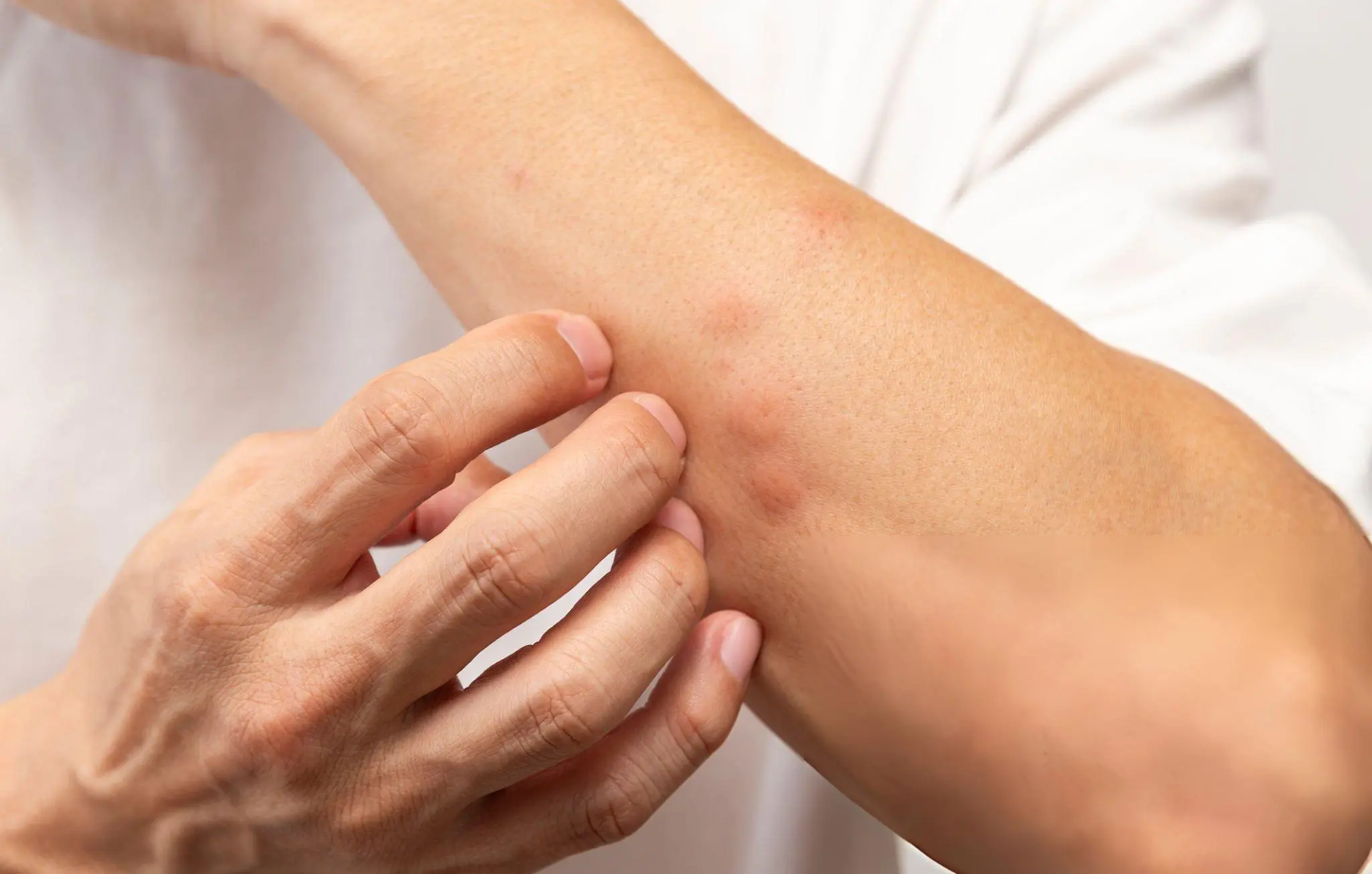


Hay fever, also called allergic rhinitis, is an allergic reaction that can cause sneezing, a blocked or runny nose and itchy eyes. Pollen exposure often triggers symptoms during spring. Mild hay fever can often be managed with self-care and pharmacist advice, while persistent or troublesome symptoms may need GP assessment.
This guide covers symptoms, relief options, how to tell hay fever from a cold and when to seek medical advice.
Key Takeaways
- Hay fever is an allergic reaction, not an infection
- Symptoms often return in spring when pollen exposure increases
- Antihistamines, suitable nasal sprays and reducing triggers may help
- A pharmacist can advise on mild symptoms, while persistent or disruptive symptoms may need a GP
- Wheezing or breathing difficulty should not be assumed to be hay fever; severe breathing difficulty requires emergency care
Why Does Hay Fever Get Worse in Spring?
Hay fever is an allergic reaction to airborne substances. In spring, grass, tree and weed pollen are common triggers, and exposure changes with the weather.
Pollen is not the only cause. Dust mites, mould and animal dander can trigger symptoms at other times of the year. Despite the name, hay fever is not caused by hay and does not cause a fever. For more information about triggers and symptoms, see Healthdirect Australia’s hay fever guide.
What Are the Common Symptoms of Hay Fever?
Hay fever commonly affects the nose and eyes. Symptoms often appear after exposure to pollen.
- Repeated sneezing
- Runny nose
- Blocked or itchy nose
- Itchy, watery or red eyes
- Itchy throat
- Poor sleep or daytime tiredness when symptoms are persistent
Ongoing symptoms can affect sleep, concentration, work and school. That is often the point where extra help is worth considering.
Is It Hay Fever or a Common Cold?
Hay fever and a cold can both cause sneezing and a runny nose. Itchy eyes and symptoms linked to pollen exposure may suggest hay fever.
| Feature | Hay fever | Common cold |
| Itchy eyes or nose | Often present | Less typical |
| Fever | Not caused by hay fever | May occur |
| Pattern | Can recur with allergen exposure | Usually develops over several days and improves as the infection clears |
| Other clues | Sneezing, itching, watery eyes | May include sore throat, cough or feeling unwell |
Symptoms overlap, so this table is a guide only. A GP can help if your symptoms are unclear.
How Can You Relieve Hay Fever Symptoms?
Relief may include reducing pollen exposure, using suitable antihistamines or nasal sprays, and reviewing ongoing symptoms with a pharmacist or GP. The right approach depends on your symptoms, age and medical history.
Antihistamines for Hay Fever
Less-sedating or non-sedating antihistamines may help relieve sneezing, itching and a runny nose, although they are generally less helpful for persistent nasal congestion. Antihistamine eye drops may ease itchy or watery eyes. Antihistamines are available as tablets, liquids, nasal sprays and eye drops. A pharmacist can help you choose a suitable option, as some antihistamines may still cause drowsiness.
Nasal Sprays for Persistent Symptoms
Corticosteroid nasal sprays reduce inflammation inside the nose and can be particularly helpful for persistent congestion. They usually work best with regular use, and it may take several days to notice improvement. Correct technique matters: follow the product instructions and aim the spray away from the middle of the nose.
These medicines differ from decongestant nasal sprays, which are intended for short-term use. Using decongestant sprays for more than a few days can cause worsening or rebound congestion. Ask a pharmacist or GP which nasal spray is suitable for your symptoms.
Saline Rinses and Other Relief
Saline nasal sprays or rinses may help clear mucus and allergens from the nose. For nasal rinsing, use sterile or distilled water, or tap water that has been boiled and allowed to cool. Keep the rinsing equipment clean and follow the product instructions. Ask a pharmacist or GP about suitable medicines, particularly for children, pregnant women or people with other health conditions.
How Can You Reduce Pollen Exposure in Spring?
You cannot avoid pollen completely, but a few habits may reduce your exposure:
- Check local pollen forecasts when available
- Limit time outdoors on very windy or high-pollen days where practical
- Shower and change clothes after time outside
- Keep windows closed during higher-risk periods
- Avoid mowing if it reliably sets off your symptoms
- Wear sunglasses outdoors to help protect your eyes
For people in Paterson and surrounding Hunter Region communities, gardening, mowing and outdoor work can increase exposure.
Can Children Get Hay Fever in Spring?
Yes. Children can develop hay fever, and symptoms can resemble a respiratory infection. Repeated sneezing, itchy eyes or a blocked nose can affect sleep and school.
Hay fever medicines should be selected according to a child’s age and symptoms, so ask a pharmacist or GP for advice before starting treatment. Parents concerned about recurring symptoms can discuss them through Paterson Healthcare’s children’s health services.
Can Hay Fever Affect Asthma?
Hay fever and asthma can occur together, and pollen exposure may trigger asthma symptoms in some people. Wheezing, chest tightness or shortness of breath should not be assumed to be ordinary hay fever.
If you have asthma, follow your asthma action plan and seek medical advice if symptoms worsen. Severe breathing difficulty, difficulty speaking or rapidly worsening breathing symptoms require emergency help. Call Triple Zero (000).
For more information about pollen-related breathing risks, read our guide to thunderstorm asthma in NSW.
When Should You See a GP for Hay Fever?
A GP can help when hay fever is persistent or disruptive. Consider an appointment if:
- Symptoms are ongoing or keep recurring
- Hay fever affects your sleep, work, school or daily activities
- Symptoms remain troublesome despite self-care or pharmacy advice
- You are unsure whether it is hay fever
- You develop new wheezing or notice worsening asthma symptoms
- A child has ongoing or troublesome symptoms
If hay fever symptoms continue despite self-care or affect your sleep, work or daily activities, a GP appointment can help review possible triggers and suitable management options.
What Happens During a GP Assessment for Hay Fever?
A GP will talk through your symptoms and look at the bigger picture. They may:
- Ask about symptom timing, triggers and family or medical history
- Review the medicines you have already tried and how you use them
- Examine your nose and eyes where appropriate
- Consider other possible causes
- Discuss management, further testing or specialist referral if clinically appropriate
Not everyone needs allergy testing. Your GP may recommend treatment changes, further assessment or referral depending on your symptoms and clinical findings.
Spring Hay Fever Support for Patients in Paterson
For patients in Paterson and surrounding Hunter Region communities, recurring hay fever can affect sleep, work, school and everyday activities. A GP can review persistent symptoms and discuss management options suited to individual needs.
If spring allergies are affecting your daily life, contact Paterson Healthcare to arrange a GP appointment.
FAQs
Does Hay Fever Cause a Fever?
No. Despite the name, hay fever does not cause a fever. If you have a raised temperature or feel generally unwell, another cause may need to be considered.
How long does spring hay fever usually last?
Symptoms can come and go with allergen exposure and may continue through the relevant pollen season. Duration varies from person to person and depends on the trigger.
What if antihistamines are not helping my hay fever?
Your treatment may need review, especially if congestion is still troublesome. A pharmacist or GP can check how you are using your medicines and consider other causes.
Is hay fever worse on windy days?
It can be. Wind can increase exposure to airborne pollen, so people with pollen allergies may notice worse symptoms on windy or high-pollen days.