
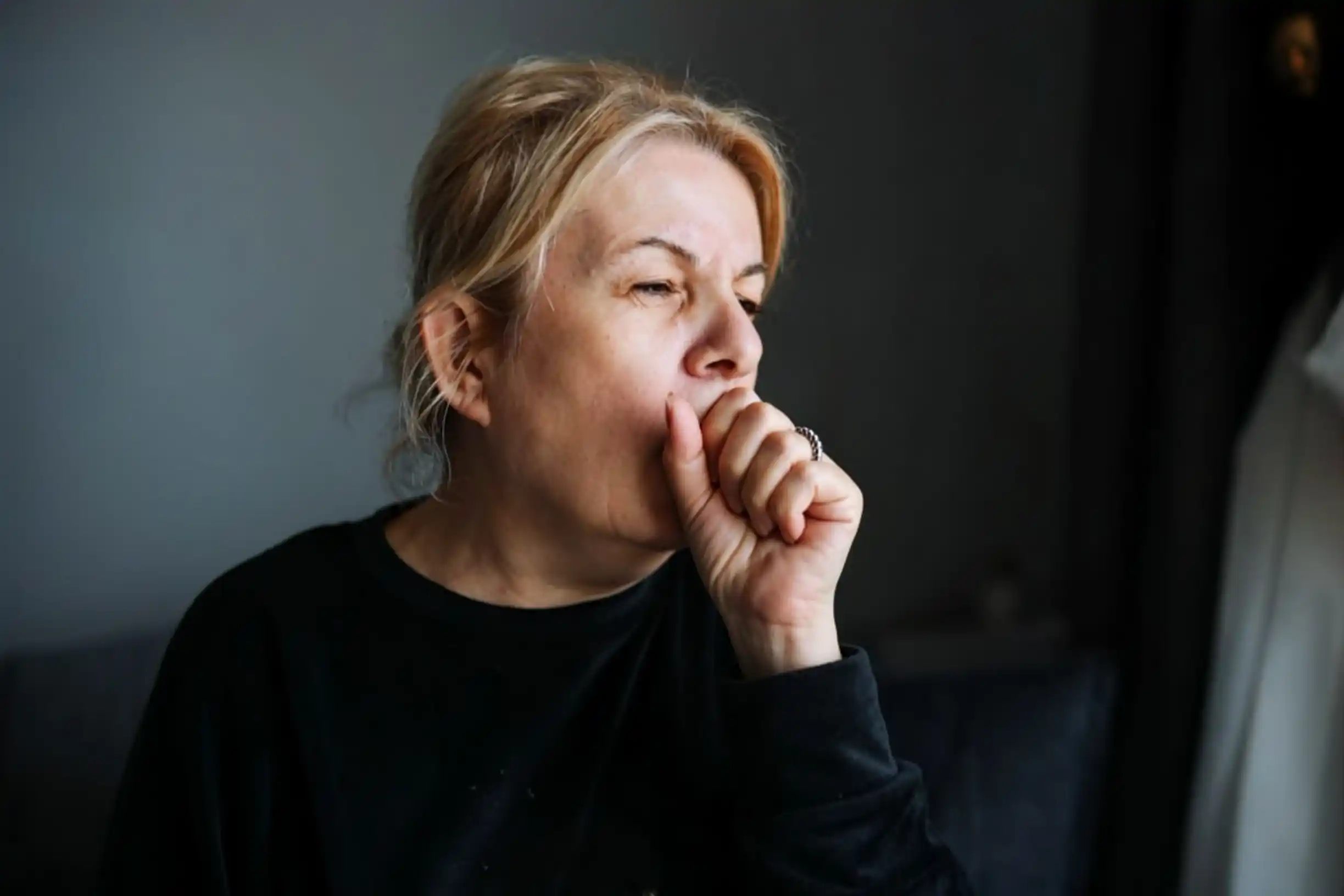
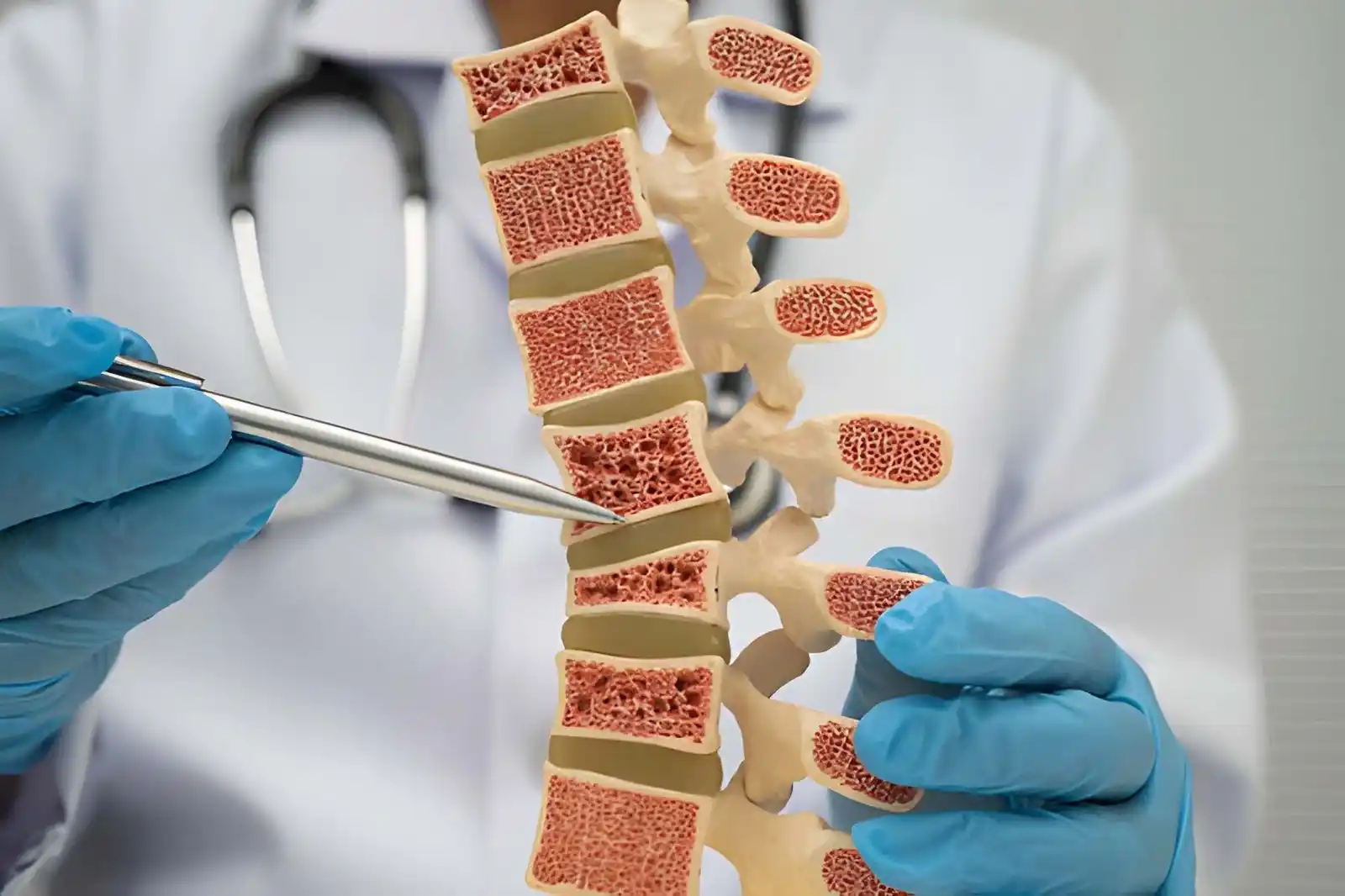

Whooping cough, also called pertussis, is a contagious bacterial infection that affects the respiratory system. It often begins with cold-like symptoms before developing into more severe coughing episodes. People of all ages can be affected, but young babies face a greater risk of serious illness.
This guide covers symptoms, how whooping cough spreads, Australian vaccine recommendations and when to seek medical advice.
Key Takeaways
- Whooping cough is a contagious bacterial respiratory infection
- Early symptoms may resemble a cold before coughing becomes more severe
- Babies may have serious breathing problems without a typical whoop
- Vaccination during childhood and each pregnancy helps reduce risk
- Suspected infection warrants clinical advice; severe breathing problems are an emergency
What Is Whooping Cough and How Does It Spread?
Whooping cough is caused by the bacterium Bordetella pertussis, which affects the respiratory tract. It spreads between people through respiratory droplets, particularly when coughing or sneezing and can pass easily within households, schools and childcare settings.
People can spread whooping cough during the early cold-like stage, before severe coughing fits begin. Symptoms usually develop around 7–10 days after exposure, although they can take up to 21 days to appear.
What Are the Symptoms of Whooping Cough?
Whooping cough usually begins with mild cold-like symptoms, followed by coughing episodes that may become more severe over the next one to two weeks.
Early symptoms:
- Runny or blocked nose
- Sneezing
- Mild cough
- Sometimes a mild fever
Symptoms as the illness develops:
- Repeated or severe coughing fits
- A possible gasping or whooping sound
- Vomiting after coughing
- Coughing that continues for weeks
Not everyone develops the typical whooping sound, and adults and some previously vaccinated people can have less typical symptoms.
How Do Whooping Cough Symptoms Differ in Babies and Adults?
| Patient group | Important symptoms or differences |
| Babies | Feeding difficulty, coughing or choking, possible breathing pauses; a typical whoop may be absent |
| Children | Coughing fits, possible whooping sound or vomiting after coughing |
| Adults | Persistent cough, sometimes without an obvious whoop, including after previous vaccination |
Babies are at greater risk of serious illness because they have not yet completed their vaccinations. Some babies may have breathing pauses, feeding difficulties or changes in skin colour without developing the typical whooping cough sound. These symptoms need urgent medical attention.
When Should You See a GP for Whooping Cough?
Seek clinical advice if:
- You have a worsening or persistent cough suggestive of pertussis
- You have been exposed to a confirmed case and are developing symptoms
- A baby or young child has possible symptoms
- You are pregnant, or in close contact with a young infant, and may have been exposed
If you or your child may have whooping cough, contact the practice before attending in person. A GP assessment can help determine whether testing, treatment or infection-control precautions are needed.
Breathing pauses, blue or grey colour changes, severe breathing difficulty or collapse are emergencies. Call Triple Zero (000) immediately.
How Is Whooping Cough Diagnosed and Treated?
A GP may review your symptoms, vaccination history and possible exposure to whooping cough. A swab from the nose or throat may be collected for PCR testing when clinically appropriate.
Antibiotics may be prescribed, particularly during the early stages of infection, to help reduce transmission. However, coughing can continue for weeks even after treatment. Babies with severe symptoms may require hospital care.
Who Needs the Whooping Cough Vaccine in Australia?
Whooping Cough Vaccination for Babies and Children
Pertussis-containing vaccines are part of Australia’s childhood immunisation schedule. Routine doses are recommended at 2, 4, 6 and 18 months, and 4 years, with the first infant dose able to be given from 6 weeks. An adolescent booster is recommended at around 11–13 years. Keeping vaccinations up to date reduces risk but does not eliminate it. Our children’s healthcare services can help keep your child’s immunisations on track.
Whooping Cough Vaccine During Pregnancy
Whooping cough vaccination is recommended during every pregnancy, preferably between 20 and 32 weeks. It helps transfer protective antibodies to the baby before birth, reducing the risk of infection during early infancy. If vaccination is missed during this period, it can still be given later in pregnancy, up until delivery. You can discuss vaccination timing during women’s health and shared obstetric care appointments.
Whooping Cough Boosters for Adults and Newborn Contacts
Adults can develop and spread whooping cough even if they were vaccinated previously. A pertussis-containing booster is recommended for adults aged 65 and over if their last dose was more than 10 years ago.
At age 50, a pertussis-containing vaccine is recommended when a tetanus booster is due. Healthcare workers and early childhood educators are generally recommended boosters every 10 years. Adult household contacts and carers of babies under six months should check whether vaccination is needed, ideally at least two weeks before close contact.
How Long Does the Whooping Cough Vaccine Last, and What Are the Side Effects?
How Long Does Protection Last?
Protection from the whooping cough vaccine decreases over time. A booster may be recommended based on your age, vaccination history, occupation or contact with young infants. Vaccinated people can still develop whooping cough, although vaccination helps reduce the risk of infection and serious illness.
What Are the Side Effects?
Common side effects can include soreness, redness or swelling at the injection site and sometimes a mild fever. Temporary tiredness or irritability can occur, particularly in children. Most reactions are mild and settle on their own, but discuss any concerning or unexpected symptoms with your vaccination provider.
How Long Is Whooping Cough Contagious, and How Can You Prevent Its Spread?
People with whooping cough may be infectious before severe coughing begins. Without appropriate treatment, they can remain infectious for up to three weeks after the cough starts. Under NSW guidance, children with whooping cough should generally stay away from school or childcare until they have received at least five days of appropriate antibiotic treatment, or for 21 days after their cough began if antibiotics are not taken.
To reduce the risk of spreading it further:
- Avoid close contact with infants and pregnant women while infectious
- Keep vaccinations up to date
- Practise good cough etiquette and hand hygiene
- Follow your GP’s advice about returning to school, work or childcare
Whooping Cough Advice and GP Care in Paterson NSW
Patients in Paterson and surrounding communities can discuss persistent coughs, possible exposure to whooping cough and vaccination questions with a GP.
If you suspect an infection, contact Paterson Healthcare before attending in person so appropriate arrangements can be discussed. You can also enquire about appointments to review your family’s vaccination history.
FAQs
How long does whooping cough usually last?
The cough can last for weeks and sometimes months, even after appropriate antibiotic treatment. Recovery time varies from person to person.
Can you still get whooping cough after vaccination?
Yes. Vaccination reduces the risk of infection and serious illness, but protection isn’t absolute and decreases over time. Symptoms may also be less typical in vaccinated people.
Is the whooping cough vaccine free in Australia?
Whooping cough vaccination is funded under the National Immunisation Program for eligible groups, including children, adolescents and pregnant women. Adult boosters may need to be paid for privately. Funding eligibility and any additional clinic charges should be checked before booking.
Do you need a test after exposure if you have no symptoms?
People who have been exposed to whooping cough but have no symptoms usually do not need routine testing. However, young infants and some people in close contact with them may need preventive antibiotics or medical advice. Contact a GP promptly if a high-risk person may have been exposed.