


Musculoskeletal conditions affect the bones, muscles, joints and tissues that support movement. They can cause pain, stiffness, swelling or difficulty with everyday activities. Some begin after an injury; others develop over time. Knowing the possible causes and when to seek medical advice can help you make informed decisions about your care.
Key Takeaways
- Musculoskeletal conditions include back problems, osteoarthritis, osteoporosis and inflammatory arthritis.
- Symptoms vary, and not all joint or muscle pain has the same cause.
- Staying active, building strength and reducing injury risks may help protect mobility.
- Persistent pain or reduced function may need a GP assessment; some symptoms need urgent care.
- People with eligible long-term conditions may benefit from a GP Chronic Condition Management Plan.
What Are Musculoskeletal Conditions?
Your musculoskeletal system includes your bones, muscles, joints, tendons and ligaments. Problems affecting these structures range from short-term strains to long-term conditions that affect movement and independence.
According to the Australian Institute of Health and Welfare, an estimated 7.3 million Australians (29%) lived with at least one chronic musculoskeletal condition in 2022. That figure refers to chronic conditions, not every temporary ache or injury.
What Are the Common Types?
- Osteoarthritis: Changes within a joint can cause pain, stiffness and difficulty moving, often affecting the knees, hips or hands.
- Inflammatory arthritis: Conditions such as rheumatoid arthritis involve joint inflammation. Gout causes painful inflammatory flares through a different process.
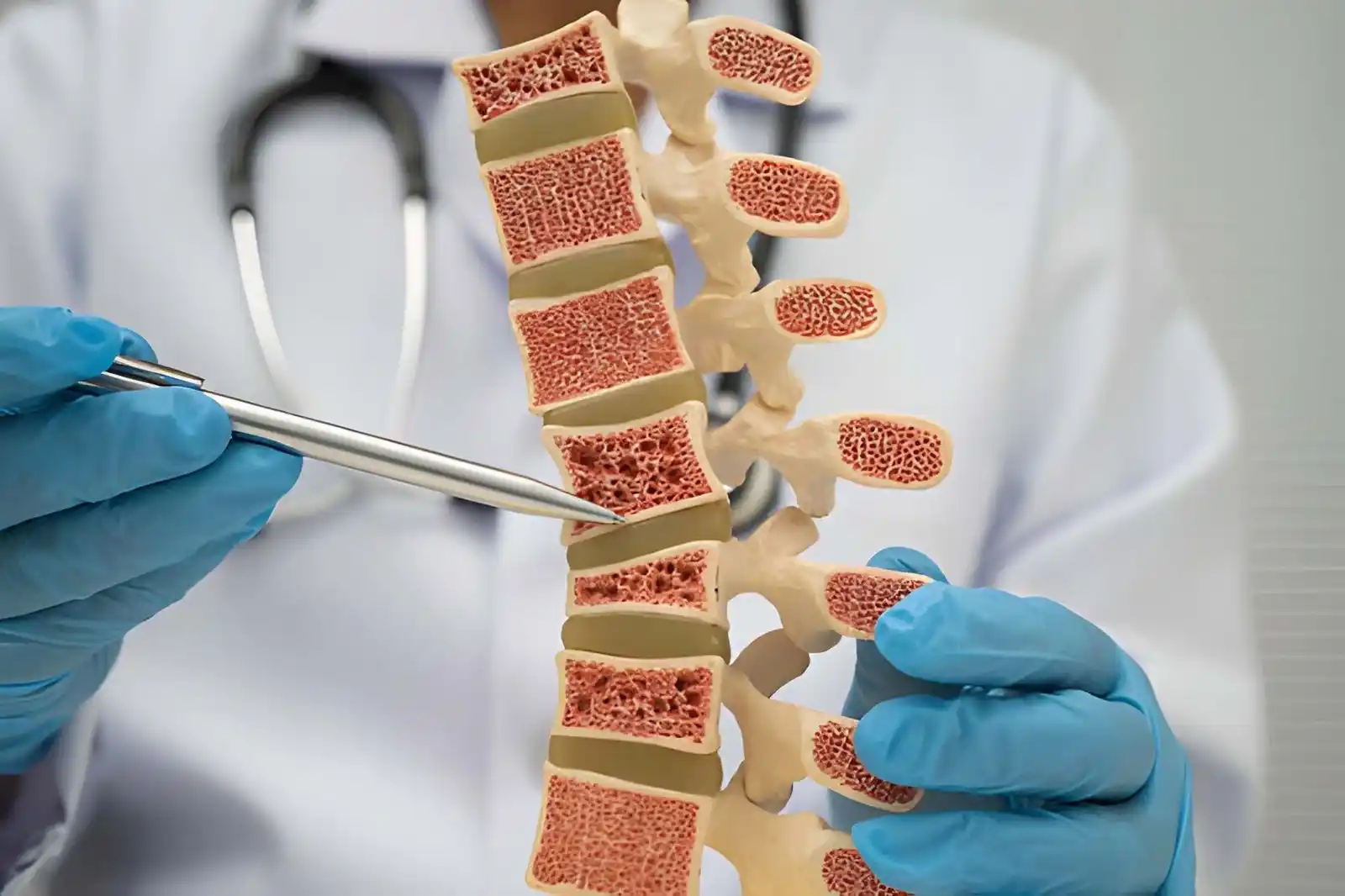
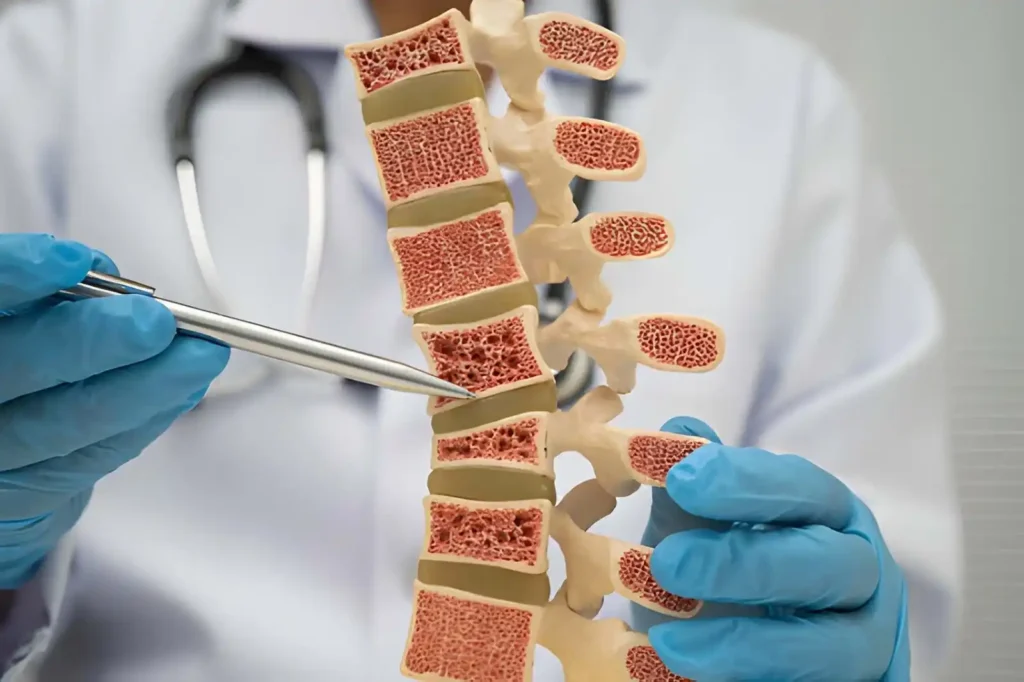
- Osteoporosis: Bones become weaker and more likely to fracture, sometimes without warning symptoms. Read our guide to keeping bones strong as you age for more on bone health.
- Back and soft-tissue problems: Back pain, muscle strains and tendon problems may develop after injury, repetitive activity or for no single identifiable reason.
Symptoms alone cannot always tell you which condition is responsible. A GP may need to review the pattern of pain, other symptoms and your medical history.
What Causes Musculoskeletal Problems?
There is no single cause. Risk and symptoms may be influenced by age, family history, previous injuries, certain medical conditions and everyday activities.
Other contributing factors can include low physical activity, smoking, repeated physical strain and excess load on weight-bearing joints. Some inflammatory or inherited conditions cannot be prevented through lifestyle changes alone.
For people in Paterson and surrounding Hunter Valley communities, physically demanding work, gardening and recreational activity can place different demands on muscles and joints. These activities are not automatically harmful; suitable movement and sensible recovery are often beneficial.
How Can You Support Your Bones, Joints and Muscles?
A few practical habits may help maintain movement, strength and bone health:
- Keep moving: Choose activities you can manage, such as walking, swimming or cycling, and gradually build up as appropriate.
- Include strengthening and balance exercises: These can support muscles, mobility and fall prevention, particularly with age.
- Support bone health: Eat a balanced diet with adequate calcium and protein; ask about vitamin D if you have risk factors for deficiency.
- Manage physical loads: Vary repetitive tasks, take breaks when needed and build up activity rather than making sudden increases.
- Avoid smoking and discuss weight concerns if relevant: These factors can influence bone and joint health.
Exercise may need adapting for an existing condition, recent injury or significant pain. A GP or appropriately qualified allied health professional can help you choose suitable activities. For broader prevention and risk discussions, Paterson Healthcare also offers health assessments based on individual needs and eligibility.
When Should You See a GP About Pain or Stiffness?
Consider a GP appointment if pain keeps returning, is not improving, affects sleep or daily tasks, or comes with ongoing stiffness, swelling or restricted movement. New symptoms after an injury, or a fracture following a minor fall, should also be assessed.
A GP may review how symptoms began, examine the affected area and consider whether tests, treatment, physiotherapy or specialist referral are appropriate. Scans are not needed for every episode of back or joint pain.
If symptoms are affecting everyday life, a general medicine consultation can help you discuss possible causes and next steps.
Seek urgent medical care for a suddenly hot, severely painful swollen joint, especially with fever; a suspected fracture after a fall; or severe pain with new or worsening weakness. Call Triple Zero (000) for back pain with new loss of bladder or bowel control, numbness around the groin or rapidly progressing leg weakness, or after serious injury when emergency assistance is needed.
How Can a GP Help With an Ongoing Condition?
Long-term musculoskeletal problems may need ongoing review rather than a single treatment. A GP can discuss pain management, function, medicines, exercise, and whether coordinated care with physiotherapists or other clinicians could help.
For eligible people with a condition lasting, or expected to last, at least six months, a GP Chronic Condition Management Plan (GPCCMP) may be appropriate. Under standard Medicare arrangements, eligible patients may access rebates for up to five individual allied health services in total per calendar year. A plan generally needs to have been prepared or reviewed within the previous 18 months; different rules may apply to some patients and out-of-pocket fees are possible.
Learn more about chronic disease management at Paterson Healthcare. Your GP can explain eligibility and whether a plan suits your health needs.
Musculoskeletal Care in Paterson NSW
Paterson Healthcare provides general practice consultations for people with new pain, ongoing joint or back concerns and questions about mobility or prevention. Assessment and any referrals depend on your individual circumstances.
If pain or stiffness is affecting your routine, contact Paterson Healthcare to arrange a GP appointment.
FAQs
Is arthritis a musculoskeletal condition?
Yes. Arthritis is one group of musculoskeletal conditions. The broader term also includes osteoporosis, back problems, muscle strains and tendon disorders.
Can musculoskeletal conditions be prevented?
Not all can be prevented. Regular activity, suitable strengthening, avoiding smoking and reducing injury risks may lower the risk or impact of some conditions.
Is exercise safe when I have joint pain?
Appropriate exercise is often helpful, but the type and amount should suit your condition. Seek advice if pain is severe, worsening or follows an injury.
Does Medicare cover physiotherapy for chronic musculoskeletal conditions?
Some eligible patients may receive Medicare rebates for allied health services under a GPCCMP. The standard annual limit is generally five individual services in total, and gap fees may apply.